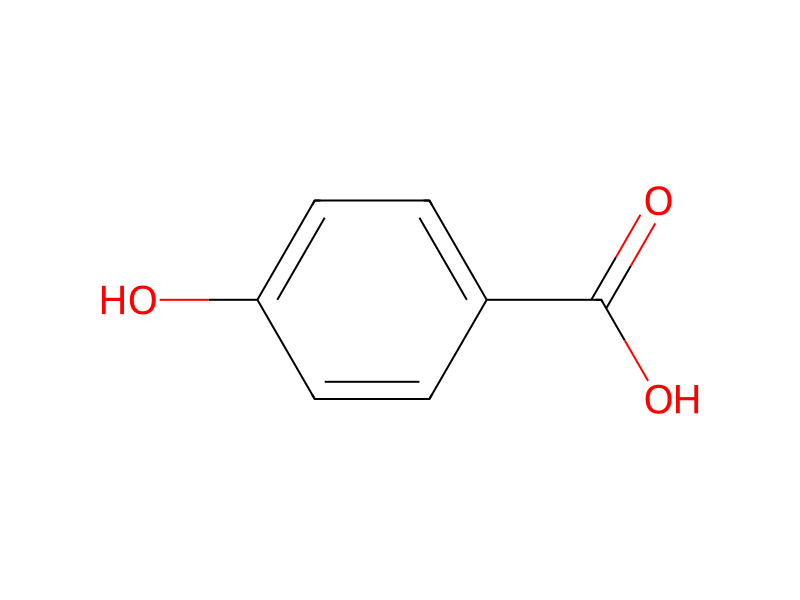
4-Hydroxybenzoic Acid → Benzyl 4-Hydroxybenzoate
Reaction equation

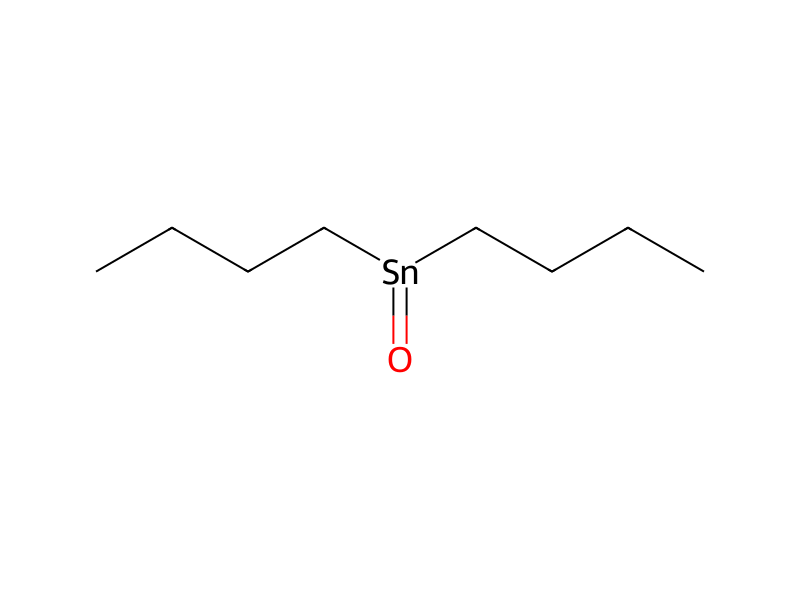
[OH:1][C:2]1[CH:10]=[CH:9][C:5]([C:6]([OH:8])=[O:7])=[CH:4][CH:3]=1.[CH2:11](O)[C:12]1[CH:17]=[CH:16][CH:15]=[CH:14][CH:13]=1>C([Sn](=O)CCCC)CCC.O>[OH:1][C:2]1[CH:10]=[CH:9][C:5]([C:6]([O:8][CH2:11][C:12]2[CH:17]=[CH:16][CH:15]=[CH:14][CH:13]=2)=[O:7])=[CH:4][CH:3]=1Participants
5
Reactant 2

Product 1

Reagents, catalysts & solvents 2

Procedure
69.1 g (0.5 mole) of p-hydroxybenzoic acid, 216.2 g (2 moles) of benzyl alcohol and 1.4 g of dibutyltin oxide were fed into a four-necked glass flask, and reacted at 200° C. for 6 hours with stirring in an atmosphere of nitrogen. Water formed by the reaction and a small amount of phenol resulting from the decomposition of the p-hydroxybenzoic acid were distilled off from the reaction system. After the reaction, the excess of benzyl alcohol was evaporated under reduced pressure to give 111.0 g (yield 94.%) of crude benzyl p-hydroxybenzoate having a purity of 97.4%.
Workup
- customreacted at 200° C. for 6 hours
- distillationa small amount of phenol resulting from the decomposition of the p-hydroxybenzoic acid were distilled off from the reaction system
- customAfter the reaction
- customthe excess of benzyl alcohol was evaporated under reduced pressure
Sources & evidence
- ORD record
- ord-592b0c0bdee64f97ba7f169d86fcf9cd
- Source dataset
- uspto-grants-1990_11
- Patent number
- US04973737
Reaction notes
Loading…