Succinic anhydride → Acryloyloxyethyl succinate
Reaction equation

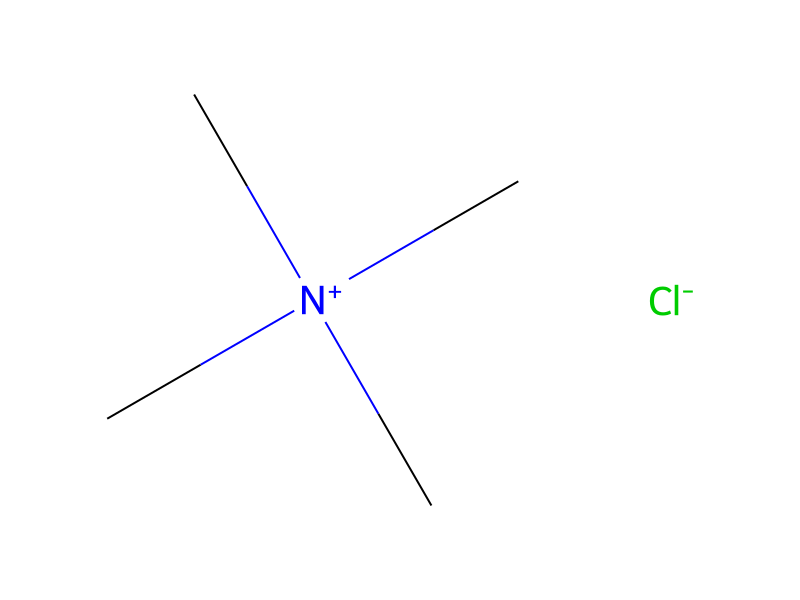
[C:1]1(=[O:7])[O:6][C:4](=[O:5])[CH2:3][CH2:2]1.[C:8]([O:12][CH2:13][CH2:14][OH:15])(=[O:11])[CH:9]=[CH2:10].C(C1C=C(C)C=C(C(C)(C)C)C=1O)(C)(C)C>[Cl-].C[N+](C)(C)C>[C:8]([O:12][CH2:13][CH2:14][O:15][C:4]([CH2:3][CH2:2][C:1]([OH:6])=[O:7])=[O:5])(=[O:11])[CH:9]=[CH2:10]Participants
5
Reactant 3


Product 1

Reagents, catalysts & solvents 1
Conditions
- Temperature
- 90 °C
Procedure
In a separate vessel, succinic anhydride (30 g), 2-hydroxyethyl acrylate (34.2 g), tetramethylammonium chloride (0.2 g), and 2,6-di-t-butyl-4-methylphenol (0.15 g) were stirred and heated at 90° C. for 3 hours. The mixture was then cooled to give 3-(2-acryloyloxyethoxycarbonyl)propionic acid. This product (27.2 g) was mixed with 2,6-di-t-butyl-4-methylphenol (0.1 g) and added over 1 hour to the advanced resin at 100° C. The mixture was then stirred for a further 41/2 hours at 100° C., by with time its epoxide content had fallen to a negligibly low level.
Workup
- temperatureThe mixture was then cooled
Sources & evidence
- ORD record
- ord-bcc8ec56314c4d69a2141f73894895a0
- Source dataset
- uspto-grants-1983_07
- Patent number
- US04392930
Reaction notes
Loading…