4-Chlorophenyl Isocyanate → 7-Chloro-2-(4-chlorophenylcarbamoyloxyamino)-5-phenyl-3H-1,4-benzodiazepine
Reaction equation

[Cl:1][C:2]1[CH:3]=[CH:4][C:5]2[N:11]=[C:10]([NH:12][OH:13])[CH2:9][N:8]=[C:7]([C:14]3[CH:19]=[CH:18][CH:17]=[CH:16][CH:15]=3)[C:6]=2[CH:20]=1.[Cl:21][C:22]1[CH:27]=[CH:26][C:25]([N:28]=[C:29]=[O:30])=[CH:24][CH:23]=1>CO>[Cl:1][C:2]1[CH:3]=[CH:4][C:5]2[N:11]=[C:10]([NH:12][O:13][C:29](=[O:30])[NH:28][C:25]3[CH:26]=[CH:27][C:22]([Cl:21])=[CH:23][CH:24]=3)[CH2:9][N:8]=[C:7]([C:14]3[CH:19]=[CH:18][CH:17]=[CH:16][CH:15]=3)[C:6]=2[CH:20]=1Participants
4
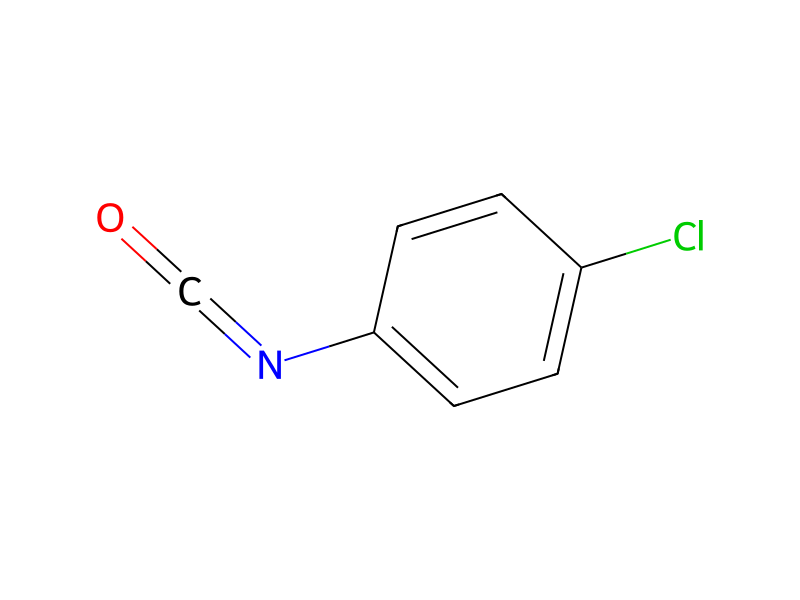



Procedure
2 g of 7-chloro-2-hydroxyamino-5-phenyl-3H-1,4-benzodiazepine are reacted with 1 g of 4-chlorophenyl isocyanate, analogously to Experiment 1a. Melting point 200° to 203° C. (from methanol); yield 2.1 g.
Sources & evidence
- ORD record
- ord-5fb6fec72b544998a3b0db90541a6f7e
- Source dataset
- uspto-grants-1983_07
- Patent number
- US04395409
Reaction notes
Loading…