Phosphorus tribromide → 1-(3-Bromopropyl)-3-methoxybenzene
反応式

CC[C@@]12[C@](O)(CC)CC[C@H]1[C@@H]1CCC3[C@@H]([C@H]1CC2)CCC(=O)C=3.[CH3:24][O:25][C:26]1[CH:27]=[C:28]([CH2:32][CH2:33][CH2:34]O)[CH:29]=[CH:30][CH:31]=1.P(Br)(Br)[Br:37]>C1C=CC=CC=1>[CH3:24][O:25][C:26]1[CH:27]=[C:28]([CH2:32][CH2:33][CH2:34][Br:37])[CH:29]=[CH:30][CH:31]=1参加物
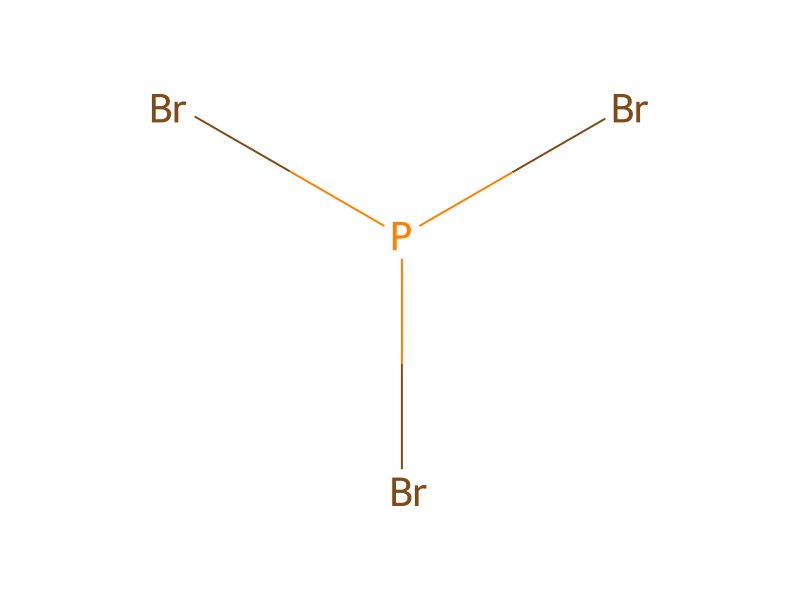


実験手順
Referring now to FIG. 1, wherein the compounds are assigned Roman numerals for identification schematically, the sequence of reactions involved in the synthesis of a specific embodiment, namely, 13β,17α-diethyl-17β-hydroxygon-4-en-3-one, is illustrated. 3-(m-Methoxyphenyl)propanol (I) is heated with phosphorus tribromide in benzene after dropwise addition in the cold to form 3-(m-methoxyphenyl)propyl bromide (II). This halogen compound (II) dissolved in tetrahydrofuran is condensed with sodium acetylide in liquid ammonia to obtain 5-(m-methoxyphenyl)-1-pentyne (III). Compound III is allowed to stand under nitrogen with water, 30% formalin, acetic acid, diethylamine, dioxan, and cuprous chloride a 70°C for about 12 hours, whereby there is obtained 1-diethylamino-6-(m-methoxyphenyl)-2-hexyne (IV), which is in turn hydrated in the presence of a mercury salt and sulfuric acid to form 1-diethylamino-6-(m-methoxyphenyl)-3-hexanone (V). The ketamine (V) may eliminate diethylamine on distillation to give the vinyl ketone 6-m-methoxyphenyl)-1-hexen-3-one (VI). Either the ketamine (V) or the ketone (VI), or mixtures thereof, is then reacted with 2-ethyl-1,3-cyclopentanedione (VII) under Michael condensation conditions, e.g. refluxing in methanolic potassium hydroxide to form 2-ethyl-2-[6-(m-methoxyphenyl)-3-oxohexyl]-1,3-cyclopentanedione (VIII).
後処理
- customthe sequence of reactions involved in the synthesis of a specific embodiment
- additionafter dropwise addition in the cold
出典と根拠
- ORDレコード
- ord-3e09a5bbb5e148ca9d51705f795a0b58
- 出典データセット
- uspto-grants-1976_05
- 特許番号
- US03959322
反応ノート
読み込み中…