Acetic Acid → HCID 53654466, compound
Reaction equation

[CH2:1]([N:4]1[CH2:8][CH2:7][C@@H:6]([O:9][CH2:10][O:11][CH3:12])[C:5]1=[O:13])[C:2]#[CH:3].[CH3:14][NH:15][CH3:16].C=O.[C:19](O)(=O)C>O1CCOCC1>[CH3:14][N:15]([CH3:19])[CH2:16][C:3]#[C:2][CH2:1][N:4]1[CH2:8][CH2:7][C@@H:6]([O:9][CH2:10][O:11][CH3:12])[C:5]1=[O:13]Participants
6
Reactant 4

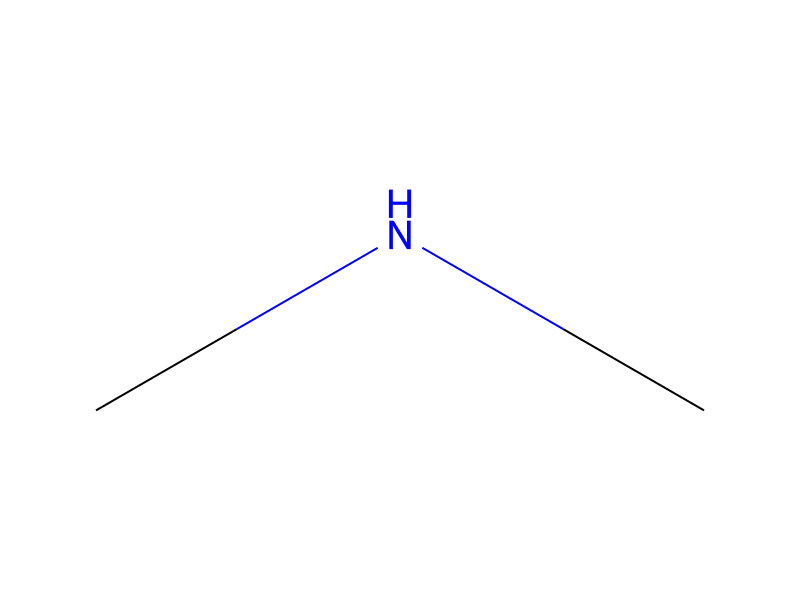


Product 1

Reagents, catalysts & solvents 1

Procedure
A solution of 2.2 g of product from Example 199, 0.93 g of dimethylamine, 0.8 g of paraformaldehyde, 1.0 g of acetic acid, 0.050 g of cuprous chloride in 50 ml of dioxane is stirred at room temperature for two days. The mixture is cooled and concentrated at reduced pressure. The residue is basified with ammonium hydroxide and extracted with methylene chloride. The methylene chloride solution is dried over anhydrous sodium sulfate, and concentrated at reduced pressure to dryness. The residue is purified (Alumina, Activity Grade 2.5: ethyl acetate/hexane 1:1 (v/v)) to give the product.
Workup
- temperatureThe mixture is cooled
- concentrationconcentrated at reduced pressure
- extractionextracted with methylene chloride
- dry with materialThe methylene chloride solution is dried over anhydrous sodium sulfate
- concentrationconcentrated at reduced pressure to dryness
- customThe residue is purified (Alumina, Activity Grade 2.5: ethyl acetate/hexane 1:1 (v/v))
- customto give the product
Sources & evidence
- ORD record
- ord-02a62cf115d445caae086ae0376f7248
- Source dataset
- uspto-grants-1996_08
- Patent number
- US05550257
Reaction notes
Loading…