Dichloromethane → 2-[2-[(6-Bromohexyl)oxy]ethyl]quinoline
Reaction equation

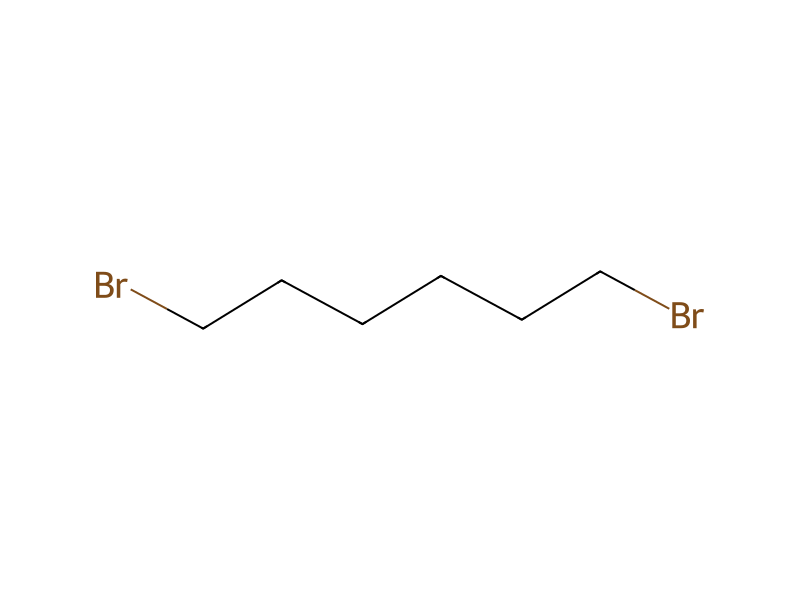
[N:1]1[C:10]2[C:5](=[CH:6][CH:7]=[CH:8][CH:9]=2)[CH:4]=[CH:3][C:2]=1[CH2:11][CH2:12][OH:13].[Br:14][CH2:15][CH2:16][CH2:17][CH2:18][CH2:19][CH2:20]Br.[OH-].[Na+].ClCCl>O.CCOCC>[Br:14][CH2:15][CH2:16][CH2:17][CH2:18][CH2:19][CH2:20][O:13][CH2:12][CH2:11][C:2]1[CH:3]=[CH:4][C:5]2[C:10](=[CH:9][CH:8]=[CH:7][CH:6]=2)[N:1]=1Participants
7






Procedure
A mixture of 2-quinolineethanol (1.00 g), 1,6-dibromohexane (4 ml), TAB (100 mg), 50% aqueous sodium hydroxide (4 ml) and dichloromethane (3 ml) was stirred at room temperature for 40 h, then diluted with water (40 ml) and ether (25 ml). The organic phase was washed with water (20 ml), dried and evaporated in vacuo. The residual oil was purified by FCC eluting with hexane followed by hexane-ether (9:1) and ether, to give the title compound (1.18 g) as a pale yellow oil, t.l.c. (diethyl ether) Rf 0.44.
Workup
- washThe organic phase was washed with water (20 ml)
- customdried
- customevaporated in vacuo
- customThe residual oil was purified by FCC
- washeluting with hexane
Sources & evidence
- ORD record
- ord-7431bd3e640a4eb8959f2b7909f12814
- Source dataset
- uspto-grants-1990_10
- Patent number
- US04963564
Reaction notes
Loading…