4-Hydrazinobenzoic acid → Deferasirox
Reaction equation

[OH:1][C:2]1[CH:7]=[CH:6][CH:5]=[CH:4][C:3]=1[C:8]1[O:9][C:10]2[CH:18]=[CH:17][CH:16]=[CH:15][C:11]=2[C:12](=O)[N:13]=1.[NH:19]([C:21]1[CH:29]=[CH:28][C:24]([C:25]([OH:27])=[O:26])=[CH:23][CH:22]=1)[NH2:20]>C(O)(=O)C(C)O>[CH:16]1[CH:17]=[CH:18][C:10]([OH:9])=[C:11]([C:12]2[N:13]=[C:8]([C:3]3[CH:4]=[CH:5][CH:6]=[CH:7][C:2]=3[OH:1])[N:19]([C:21]3[CH:29]=[CH:28][C:24]([C:25]([OH:27])=[O:26])=[CH:23][CH:22]=3)[N:20]=2)[CH:15]=1Participants
4
Reactant 2


Product 1

Reagents, catalysts & solvents 1
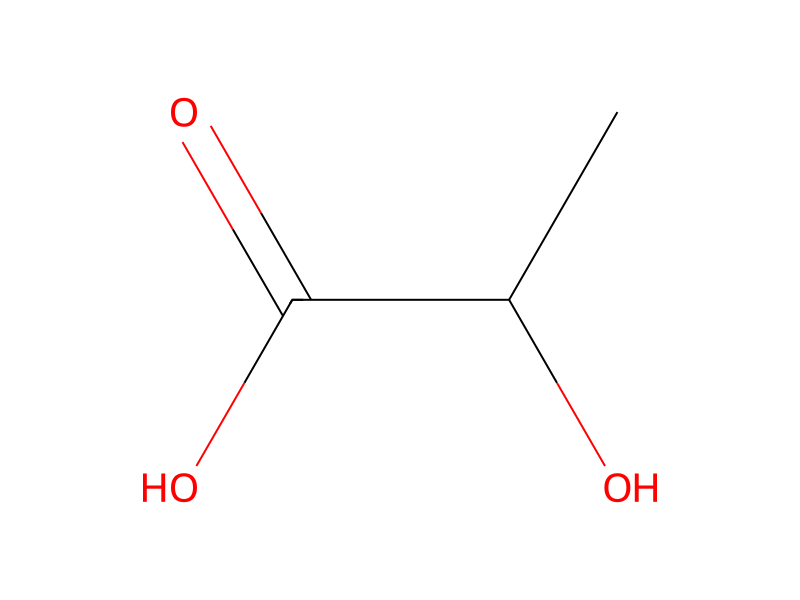
Conditions
- Temperature
- 115 °C
Procedure
A suspension of 0.7 g (2.92 mmol) of 2-(2-hydroxyphenyl)benz[e][1,3]oxazin-4-one and 0.52 g (3.44 mmol) of 4-hydrazinobenzoic acid in 5 ml of lactic acid is heated to its boiling point and maintained at this temperature (115° C.) for 2 hours. After completion of the reaction the mixture is cooled down, causing separation of the crystalline product. 5 ml of ethyl acetate are added. After drying, 0.53 g of raw deferasirox is obtained, i.e. 49% of the theory, with an HPLC content of 94% and a melting temperature of 248 to 260° C.
Workup
- temperatureis heated to its boiling point
- customAfter completion of the reaction the mixture
- temperatureis cooled down
- customseparation of the crystalline product
- addition5 ml of ethyl acetate are added
- customAfter drying
Sources & evidence
- ORD record
- ord-443e30c22d7a4dd6aa92e7786bc255c1
- Source dataset
- uspto-grants-2012_03
- Patent number
- US08129421B2
Reaction notes
Loading…