Pyridine → HCID 66593572, compound
Reaction equation

[NH2:1][C:2]1[CH:7]=[CH:6][C:5]([F:8])=[CH:4][C:3]=1[C:9]1[C:10](=[O:15])[CH2:11][CH2:12][C:13]=1[CH3:14].N1C=CC=CC=1.[C:22]1([CH3:34])[CH:27]=[C:26]([CH3:28])[CH:25]=[C:24]([CH3:29])[C:23]=1[S:30](Cl)(=[O:32])=[O:31]>>[C:22]1([CH3:34])[CH:27]=[C:26]([CH3:28])[CH:25]=[C:24]([CH3:29])[C:23]=1[S:30]([NH:1][C:2]1[CH:7]=[CH:6][C:5]([F:8])=[CH:4][C:3]=1[C:9]1[C:10](=[O:15])[CH2:11][CH2:12][C:13]=1[CH3:14])(=[O:31])=[O:32]Participants
4

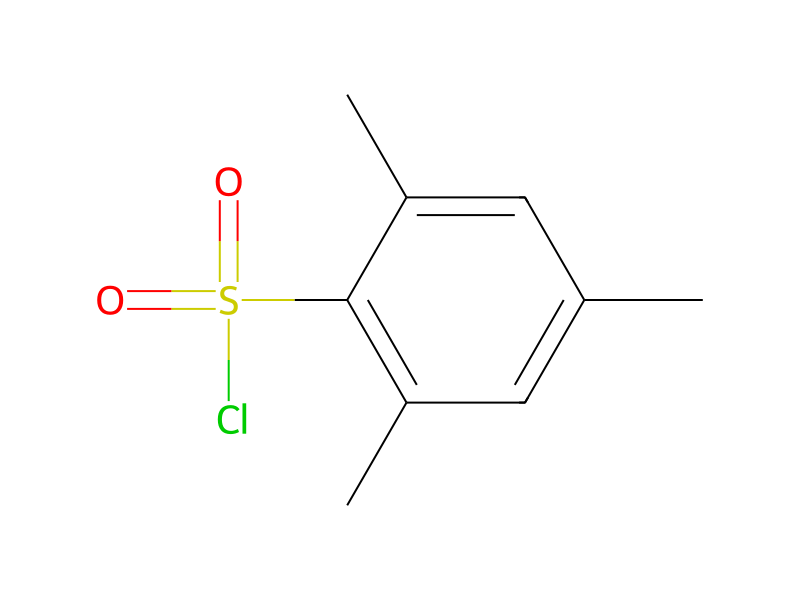


Procedure
0.700 g (3.14 mmol) of 2-(2-amino-5-fluorophenyl)-3-methyl-2-cyclopenten-1-one, 0.273 g (3.45 mmol) of pyridine, 0.754 g (3.45 mmol) of 2-mesitylenesulfonyl chloride, and 3 mL of M.C were loaded to a 20 mL vial, and then reacted for 12 hours. The work-up was the same as in Example 7 (0.760 g, 60%).
Workup
- customreacted for 12 hours
Sources & evidence
- ORD record
- ord-0b9e7791a6db412cab3098048805a7d1
- Source dataset
- uspto-grants-2012_03
- Patent number
- US08129488B2
Reaction notes
Loading…