Acetic Acid → 1-(3-Methyl[1,2,4]triazolo[4,3-a]pyridin-6-yl)cyclopropanecarboxylic acid
Reaction equation

[NH:1]([C:3]1[N:8]=[CH:7][C:6]([C:9]2([C:12]([O:14]C)=[O:13])[CH2:11][CH2:10]2)=[CH:5][CH:4]=1)[NH2:2].[CH:16](=O)[CH3:17].C(O)(=O)C.C(O)(=O)C.C(O)(=O)C.IC1C=CC=CC=1>C(O)C>[CH3:16][C:17]1[N:8]2[CH:7]=[C:6]([C:9]3([C:12]([OH:14])=[O:13])[CH2:11][CH2:10]3)[CH:5]=[CH:4][C:3]2=[N:1][N:2]=1Participants
6
Reactant 4



Product 1

Reagents, catalysts & solvents 1

Procedure
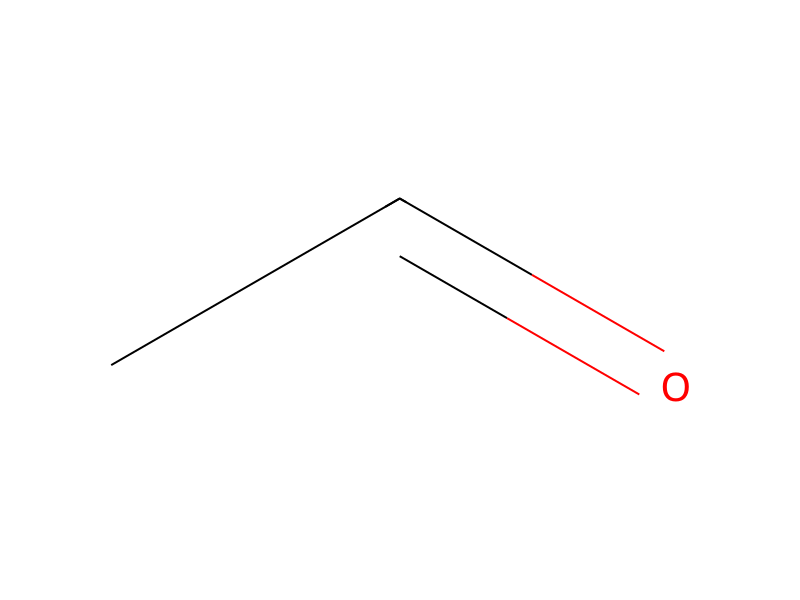
To a solution of methyl 1-(6-hydrazinopyridin-3-yl)cyclopropanecarboxylate (150 mg, 0.72 mol) in ethanol (3 mL) was added acetaldehyde (33.5 mg, 0.760 mmol) and acetic acid (41 μL, 0.72 mmol). The mixture was stirred at RT for 2 h, and then concentrated to dryness. The residue was dissolved in methylene chloride (3 mL), and iodobenzene diacetate (256 mg, 0.796 mmol) was added dropwise. The reaction mixture was stirred at RT overnight. The reaction solution was concentrated to dryness. The residue was purified through silica gel chromatograph using 10% MeOH in CH2Cl2 to afford the desired compound (50 mg, 30%). Analytical LCMS: (M+H)+=218.0.
Workup
- concentrationconcentrated to dryness
- dissolutionThe residue was dissolved in methylene chloride (3 mL)
- stirringThe reaction mixture was stirred at RT overnight
- concentrationThe reaction solution was concentrated to dryness
- customThe residue was purified through silica gel chromatograph
Sources & evidence
- ORD record
- ord-6cbe1eab8f8b4dfcaf54b1625b540d60
- Source dataset
- uspto-grants-2012_03
- Patent number
- US08143251B2
Reaction notes
Loading…