Phenolphthalein → HCID 15287762, compound
Reaction equation

S(O)(O)(=O)=O.[NH2:6][OH:7].[OH-].[Na+].C1C=CC2C(C3C=CC(O)=CC=3)(C3C=CC(O)=CC=3)OC(=O)C=2C=1.S([O-])([O-])(=O)=O.[Na+].[Na+].[C:41]([O:50][CH2:51][CH3:52])(=[O:49])/[CH:42]=[CH:43]\[C:44]([O:46][CH2:47][CH3:48])=[O:45].C(O)C.NO>C(O)C>[OH:7][NH:6][C@H:43]([C:44]([O:46][CH2:47][CH3:48])=[O:45])[CH2:42][C:41]([O:50][CH2:51][CH3:52])=[O:49]Participants





Procedure
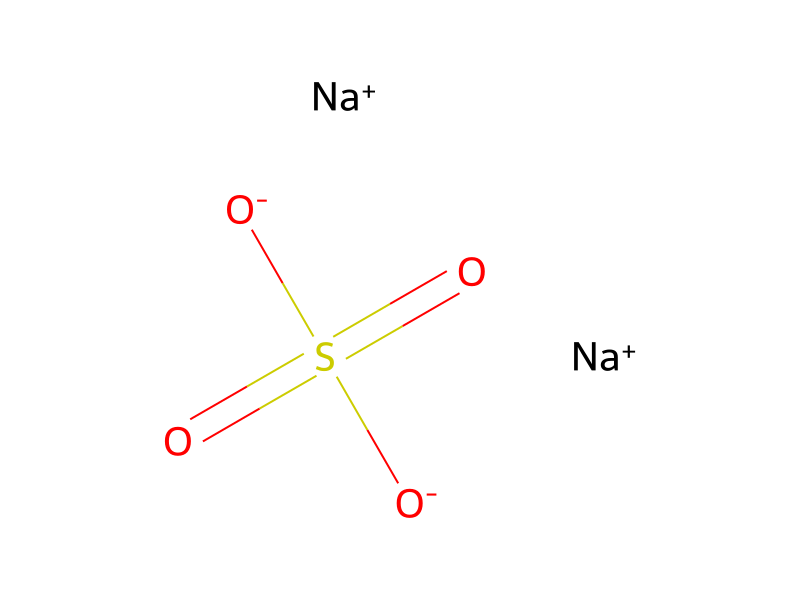
A solution of 394.4 g (0.60 mols; 1.20 eq) of 25% aqueous hydroxylamine sulfate was placed in a 2-liter round-bottom flask equipped with a reflux condenser, thermometer, dropping funnel, mechanical stirrer, and cooling bath. To this was added, over about a thirty minute period, 94.1 g (1.20 mole) of 50% aqueous sodium hydroxide. Phenolphthalein indicator was added and the last of the caustic was added dropwise to the end point (pH of ~9.5). The temperature was kept below 40° C. Then 400 ml of ethanol was added; the sodium sulfate reaction product, which precipitated upon addition of the ethanol, was removed by filtration. Then 172.0 g (1 mole) of diethyl maleate was added to the ethanol-hydroxylamine solution, and the resulting homogeneous solution was stirred for 30 minutes. This latter reaction produced diethyl N-hydroxyaspartate in quantitative yield (>99%).
Workup
- customequipped with a reflux condenser
- temperaturecooling bath
- additionthe last of the caustic was added dropwise to the end point (pH of ~9.5)
- customwas kept below 40° C
- customprecipitated upon addition of the ethanol
- customwas removed by filtration
- customThis latter reaction
Sources & evidence
- ORD record
- ord-1a8ce2e1c1e149c5af7f6a943ffa5c74
- Source dataset
- uspto-grants-1994_06
- Patent number
- US05322948
Reaction notes
Loading…