Bromine → 4-(5-Bromo-3-methyl-2-pyridinyl)butylamine
Reaction equation

S(=O)(=O)=O.[BrH:5].[NH2:6][CH2:7][CH2:8][CH2:9][CH2:10][C:11]1[C:16]([CH3:17])=[CH:15][CH:14]=[CH:13][N:12]=1.BrBr>FC(Cl)(F)C(Cl)(Cl)F>[Br:5][C:14]1[CH:15]=[C:16]([CH3:17])[C:11]([CH2:10][CH2:9][CH2:8][CH2:7][NH2:6])=[N:12][CH:13]=1Participants
5
Reactant 3

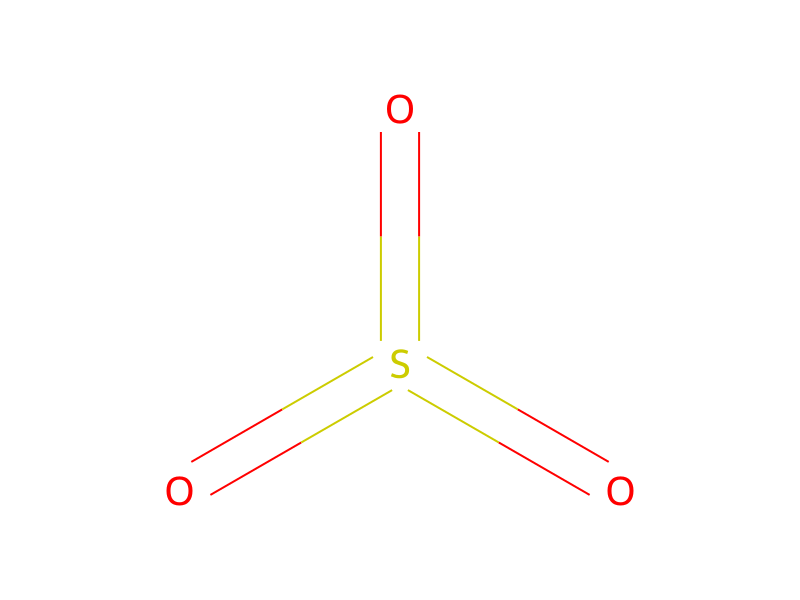

Product 1

Reagents, catalysts & solvents 1

Procedure
A solution of sulphur trioxide (150 ml) in 1,1,2-tri-fluorotrichloroethane (550 ml) was added over 30 min to a suspension of 2-(4-aminobutyl)-3-methylpyridine hydrobromide (14.2 g) [prepared by reacting 2-(4-aminobutyl)-3-methyl-pyridine with hydrobromic acid (0.89M)] in 1,1,2-trifluoro-trichloroethane and to this mixture was added liquid bromine (5.56 g). The mixture was heated under reflux for ca 16 hr. The solvent was removed by distillation and unbrominated starting material was removed by acetylation as described in Example 1(h) to yield 5-bromo-2-(4-amino-butyl)-3-methylpyridine (6.49 g) as an oil.
Workup
- temperatureThe mixture was heated
- temperatureunder reflux for ca 16 hr
- customThe solvent was removed by distillation
- customwas removed by acetylation
Sources & evidence
- ORD record
- ord-4424564f619c4e3082f1807952f1d97c
- Source dataset
- uspto-grants-1984_12
- Patent number
- US04486434
Reaction notes
Loading…