Anthralin → 10-Propionyl dithranol
Reaction equation

[C:1](Cl)(=[O:4])[CH2:2][CH3:3].[CH:6]1[CH:7]=[C:8]2[CH2:22][C:16]3[CH:17]=[CH:18][CH:19]=[C:20]([OH:21])[C:15]=3[C:13](=[O:14])[C:9]2=[C:10]([OH:12])[CH:11]=1>C1C=CC=CC=1.N1C=CC=CC=1>[OH:21][C:20]1[C:15]2[C:13](=[O:14])[C:9]3[C:8](=[CH:7][CH:6]=[CH:11][C:10]=3[OH:12])[CH:22]([C:1](=[O:4])[CH2:2][CH3:3])[C:16]=2[CH:17]=[CH:18][CH:19]=1Participants
5

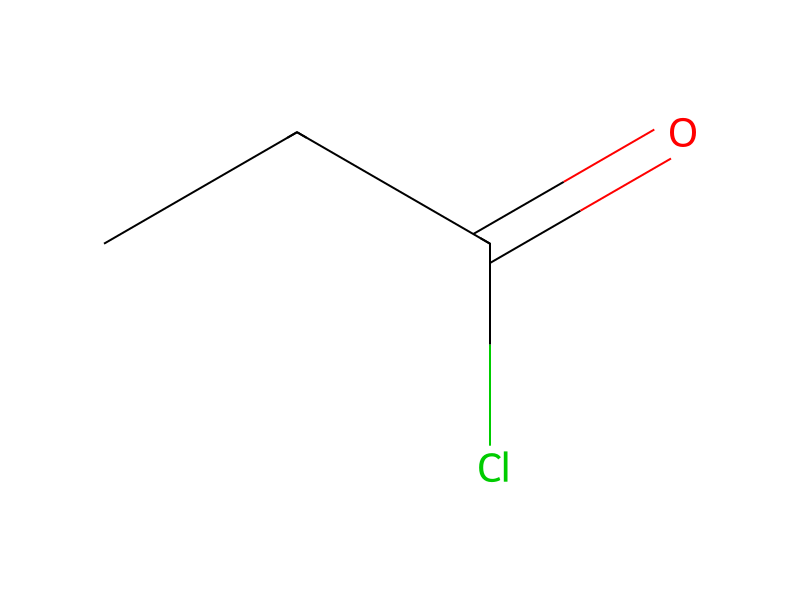

Reagents, catalysts & solvents 2


Procedure
24.9 g (0,269 moles) propionyl chloride is added, while stirring, to a mixture containing 50.9 g (0,225 moles) anthralin in 1575 ml of benzene and 27.5 ml of pyridine. The reaction mixture is cooked using a return condenser for 20 hours while stirring. The solution is filtered and the filtrate is evaporated dry under a lowered pressure. The residue is crystallized out from acetic acid. Yield 27.6 g (43.5% of the theoretical). M.p.=149°-154° C.
Workup
- customfor 20 hours
- stirringwhile stirring
- filtrationThe solution is filtered
- customthe filtrate is evaporated
- customdry under a lowered pressure
- customThe residue is crystallized out from acetic acid
Sources & evidence
- ORD record
- ord-350860a85e5e4e4f89e4481985aba707
- Source dataset
- uspto-grants-1981_11
- Patent number
- US04299846
Reaction notes
Loading…