Cyclohexanecarbonyl chloride → HCID 54083988, compound
Reaction equation

C1(C(Cl)=O)CCCC1.C1(C(Cl)=O)CCCCC1.[C:18]([NH:22][CH2:23][C:24]([C:26]1[CH:31]=[CH:30][C:29]([O:32][C:33]([CH:35]2[CH2:39][CH2:38][CH2:37][CH2:36]2)=[O:34])=[C:28]([O:40][C:41]([CH:43]2[CH2:47][CH2:46][CH2:45][CH2:44]2)=[O:42])[CH:27]=1)=[O:25])([CH3:21])([CH3:20])[CH3:19]>>[CH:43]1([C:41]([O:40][C:28]2[CH:27]=[C:26]([CH:31]=[CH:30][C:29]=2[O:32][C:33]([CH:35]2[CH2:36][CH2:37][CH2:38][CH2:39]2)=[O:34])[CH:24]([OH:25])[CH2:23][NH:22][C:18]([CH3:21])([CH3:19])[CH3:20])=[O:42])[CH2:47][CH2:46][CH2:45][CH2:44]1Participants
4



Procedure
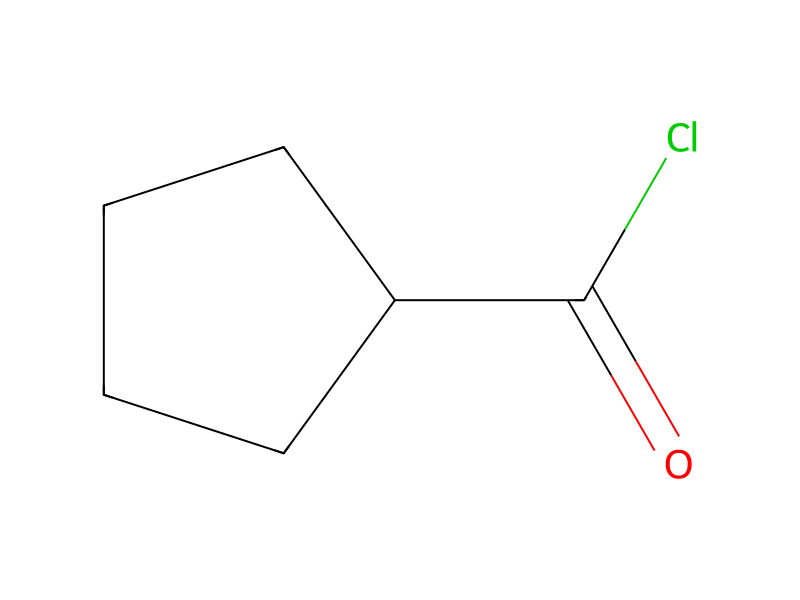
When cyclopentanecarbonyl chloride is substituted for the cyclohexanecarbonyl chloride in the procedure described in Example 15A above, the acylation product obtained is 3,4-bis(cyclopentanecarbonyloxy)phenyl tert-butylaminomethyl ketone; and when this product is catalytically hydrogenated using the procedure described in Example 15B above, there is obtained 3,4-bis(cyclopentanecarbonyloxy)-alpha-(tert-butylaminomethyl)-benzyl alcohol.
Workup
- customobtained
Sources & evidence
- ORD record
- ord-7f4438d27da1415298ced3c918678ffd
- Source dataset
- uspto-grants-1982_06
- Patent number
- US04336400
Reaction notes
Loading…