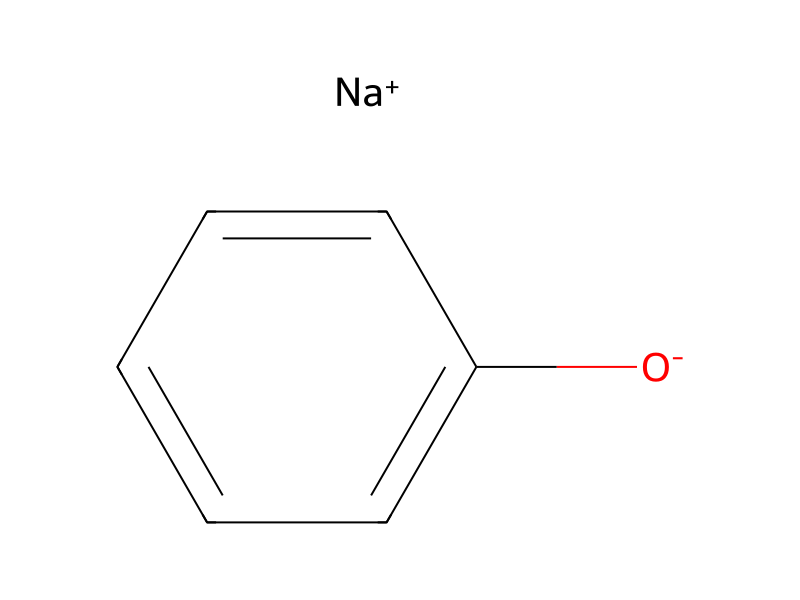
Phenolate Sodium → HCID 20535347, compound
Reaction equation

[CH:1]([NH:4][CH2:5][C:6]([C:8]1[CH:13]=[CH:12][C:11]([O:14][C:15](=[O:20])[CH2:16][CH:17]([CH3:19])[CH3:18])=[C:10]([OH:21])[CH:9]=1)=[O:7])([CH3:3])[CH3:2].C[O-].[Na+].C1([O-])C=CC=CC=1.[Na+].[CH3:33][C:34]([CH3:41])([CH2:39][CH3:40])[CH2:35][C:36](Cl)=[O:37]>>[CH:1]([NH:4][CH2:5][C:6]([C:8]1[CH:13]=[CH:12][C:11]([O:14][C:15](=[O:20])[CH2:16][CH:17]([CH3:19])[CH3:18])=[C:10]([O:21][C:36](=[O:37])[CH2:35][C:34]([CH3:41])([CH3:33])[CH2:39][CH3:40])[CH:9]=1)=[O:7])([CH3:3])[CH3:2]Participants
5



Procedure
Following a procedure similar to that described above in Example 2A, when 3-hydroxy-4-(isovaleryloxy)phenyl isopropylaminomethyl ketone is interacted with one equivalent of sodium methoxide and the resulting sodium phenolate salt is reacted with 3,3-dimethylpentanoyl chloride there is obtained 3-(3,3-dimethylpentanoyloxy)-4-(isovaleryloxy)phenyl isopropylaminomethyl ketone; and by interaction of this base with hydrochloric acid there is obtained the hydrochloride salt. When this hydrochloride is catalytically hydrogenated, using a procedure similar to that described above in Example 2B, there is obtained 3-(3,3-dimethylpentanoyloxy)-4-(isovaleryloxy)-alpha-(isopropylaminomethyl)benzyl alcohol hydrochloride.
Sources & evidence
- ORD record
- ord-300f76cf18944f1bb498399debfc35a9
- Source dataset
- uspto-grants-1982_06
- Patent number
- US04336400
Reaction notes
Loading…