HCID 12961573, compound → HCID 14782606, compound
Reaction equation

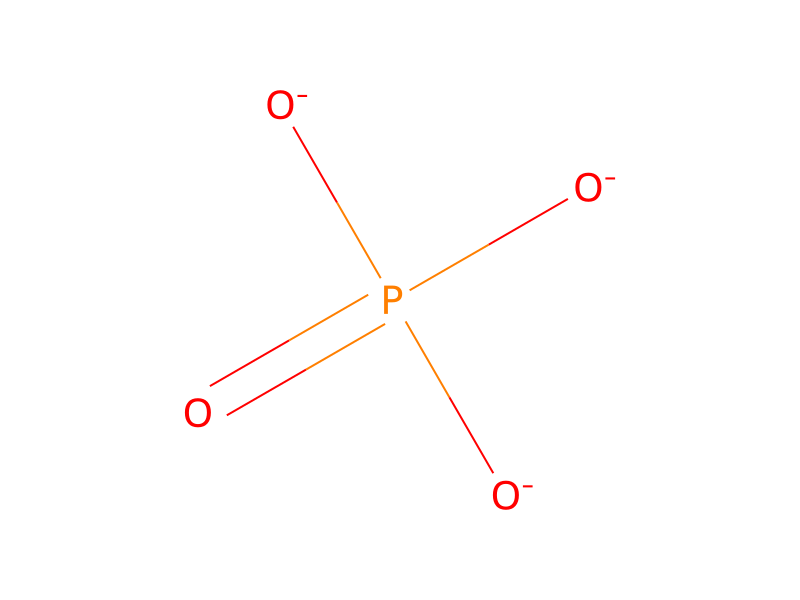
[N:1]1[CH:6]=[CH:5][CH:4]=[N:3][C:2]=1[S:7][C:8]1[CH2:14][CH:13]2[N:10]([C:11](=[O:17])[CH:12]2[CH2:15][CH3:16])[C:9]=1[C:18]([O:20]CC1C=CC([N+]([O-])=O)=CC=1)=[O:19].[H][H]>O1CCOCC1.P([O-])([O-])([O-])=O.[Pt]=O>[N:1]1[CH:6]=[CH:5][CH:4]=[N:3][C:2]=1[S:7][C:8]1[CH2:14][CH:13]2[N:10]([C:11](=[O:17])[CH:12]2[CH2:15][CH3:16])[C:9]=1[C:18]([OH:20])=[O:19]Participants





Procedure
63.4 mg of p-nitrobenzyl 3-(2-pyrimidinylthio)6-ethyl-7-oxo-1-azabicyclo[3.2.0]hept-2-ene-2carboxylate obtained in Example 26 was dissolved in a mixture of 3.2 ml of dioxane and 1.2 ml of a 0.1 M phosphate buffer (pH 6.86). Then, 70 mg of platinum oxide was added, and the reaction was performed at room temperature for 4 hours in a Paar reducing apparatus (hydrogen pressure 4 kg/cm2). The catalyst was removed by filtration. The filtrate and the wash liquid were combined, and after adjusting the pH of the mixture to 7.2, concentrated under reduced pressure to about 2/3 of the initial amount. Sodium chloride (2 g) was added to the concentrated solution, and water was added to adjust the total amount to 70 ml. The resulting solution was applied to a column of Diaion HP-20AG (1.1×20 cm), and eluted with 300 ml in total of an aqueous solution of acetone with the concentration of acetone varying gradually from 0 to 50% (v/v) by a concentration gradient method. The fractions were screened by high-speed liquid chromatography, and fractions having an ultraviolet absorption at λmax 300 nm were collected and lyophilized to afford 16.8 mg of the desired product (yield 39%).
Workup
- customThe catalyst was removed by filtration
- concentrationconcentrated under reduced pressure to about 2/3 of the initial amount
- additionSodium chloride (2 g) was added to the concentrated solution, and water
- additionwas added
- washeluted with 300 ml in total of an aqueous solution of acetone with the concentration of acetone varying gradually from 0 to 50% (v/v) by a concentration gradient method
- customan ultraviolet absorption at λmax 300 nm
- customwere collected
Sources & evidence
- ORD record
- ord-94a142e6e3774f66b896b696d808f187
- Source dataset
- uspto-grants-1982_06
- Patent number
- US04337199
Reaction notes
Loading…