Bromomethylcyclopropane → Indole
Reaktionsgleichung

FC(F)(F)[C:3]1[CH:11]=[C:10]2[C:6]([CH:7]=[CH:8][NH:9]2)=[CH:5][CH:4]=1.C1(CBr)CC1.C(OC(=O)C(SC1SC(N)=NC=1)C)C.C(OC(=O)CSC1SC(N)=NC=1)C.C1(CN2C3C(=CC=C(F)C=3)C(C(NC3SC=C(SCC(O)=O)N=3)=O)=C2)CC1>>[NH:9]1[C:10]2[C:6](=[CH:5][CH:4]=[CH:3][CH:11]=2)[CH:7]=[CH:8]1Komponenten
6
Edukt 5
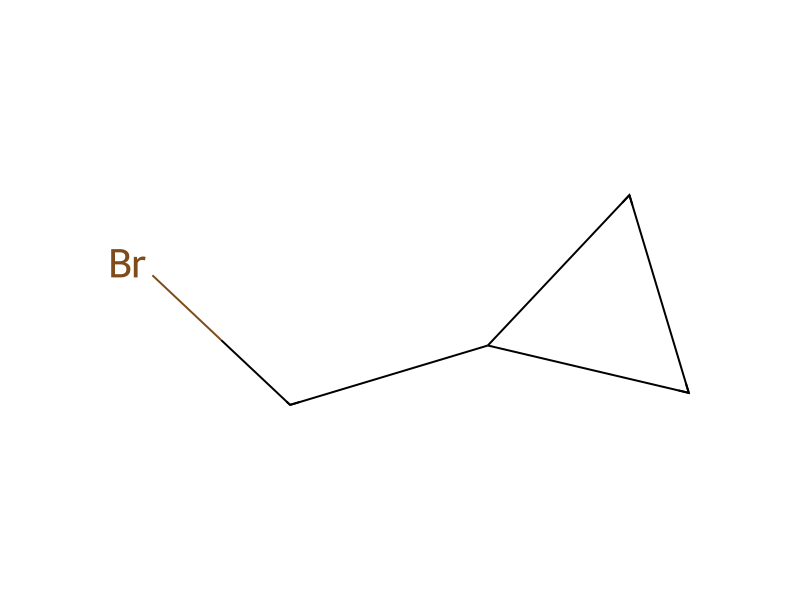 HCID 81503Bromomethylcyclopropane
 HCID 27775236-(Trifluoromethyl)indole
 HCID 21455623Ethyl 2-(2-aminothiazol-5-ylthio)acetate
 HCID 86610210{2-[(1-Cyclopropylmethyl-6-fluoro-1H-indole-3-carbonyl)-amino]-thiazol-4-ylsulfanyl}-acetic acid
 HCID 86610213(2-Aminothiazole-5-ylsulfanyl)-propionic acid ethyl ester
Produkt 1
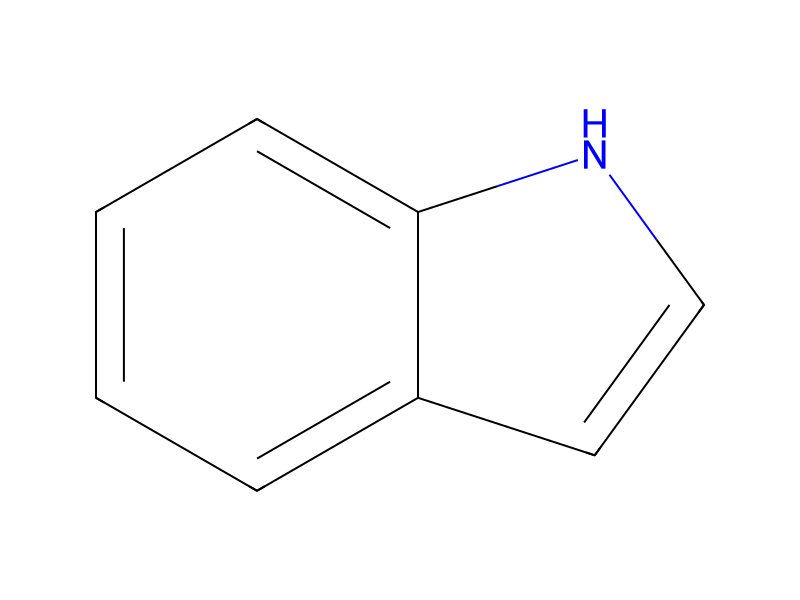
Versuchsvorschrift
6-trifluoromethylindole, R5X=cyclopropyl-methylbromide; NH2A=(2-amino-thiazole-5-ylsulfanyl)-propionic acid ethyl ester (prepared according to the procedure for the synthesis of (2-amino-thiazole-5-ylsulfanyl)-acetic acid ethyl ester described under the procedure for the synthesis of {2-[(1-Cyclopropylmethyl-6-fluoro-1H-indole-3-carbonyl)-amino]-thiazol-4-ylsulfanyl}-acetic acid.
Quellen und Nachweise
- ORD-Eintrag
- ord-dcf1119c52064ed7b1ef31a1b498a8a7
- Quelldatensatz
- uspto-grants-2010_10
- Patentnummer
- US07812043B2
Notizen zur Reaktion
Wird geladen…