Acetone → HCID 58626106, compound
Reaction equation

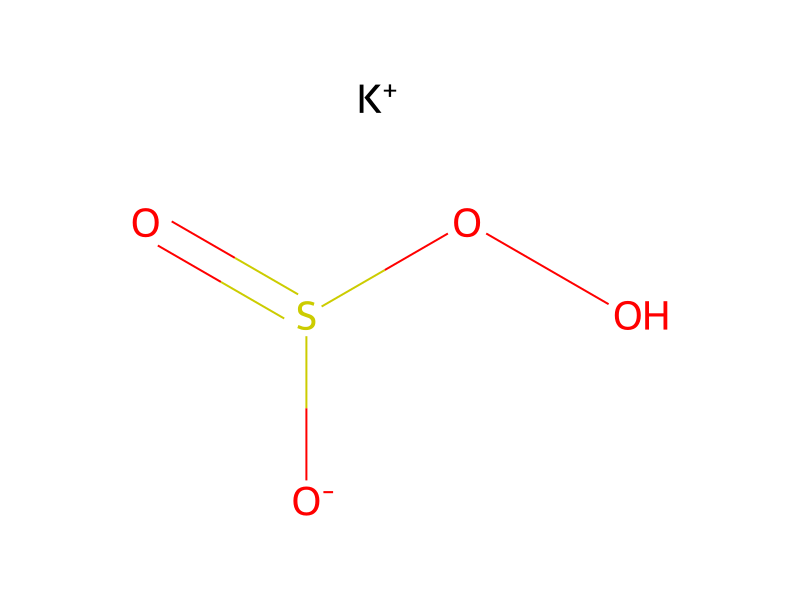
[Cl:1][C:2]1[CH:3]=[C:4]([NH:10][C:11]2[CH:16]=[C:15]([C:17]3[CH:22]=[CH:21][C:20](SC)=[CH:19][CH:18]=3)[N:14]=[C:13]([NH2:25])[N:12]=2)[CH:5]=[CH:6][C:7]=1[O:8][CH3:9].O[O:27][S:28]([O-:30])=O.[K+].OS([O-])(=O)=O.[K+].[CH3:38]C(C)=O>>[Cl:1][C:2]1[CH:3]=[C:4]([NH:10][C:11]2[CH:16]=[C:15]([C:17]3[CH:22]=[CH:21][C:20]([S:28]([CH3:38])(=[O:30])=[O:27])=[CH:19][CH:18]=3)[N:14]=[C:13]([NH2:25])[N:12]=2)[CH:5]=[CH:6][C:7]=1[O:8][CH3:9]Participants
5




Procedure
N4-(3-Chloro-4-methoxy-phenyl)-6-(4-methanesulfonyl-phenyl)-pyrimidine-2,4-diamine was prepared from compound N4-(3-chloro-4-methoxy-phenyl)-6-(4-methylsulfanyl-phenyl)-pyrimidine-2,4-diamine, in aqueous acetone (3:1) using oxone (2KHSO5.KHSO4.K2SO4) as an oxidizing agent.
Sources & evidence
- ORD record
- ord-908ec21bca554ce68e16cf1078fda402
- Source dataset
- uspto-grants-2010_10
- Patent number
- US07820654B2
Reaction notes
Loading…