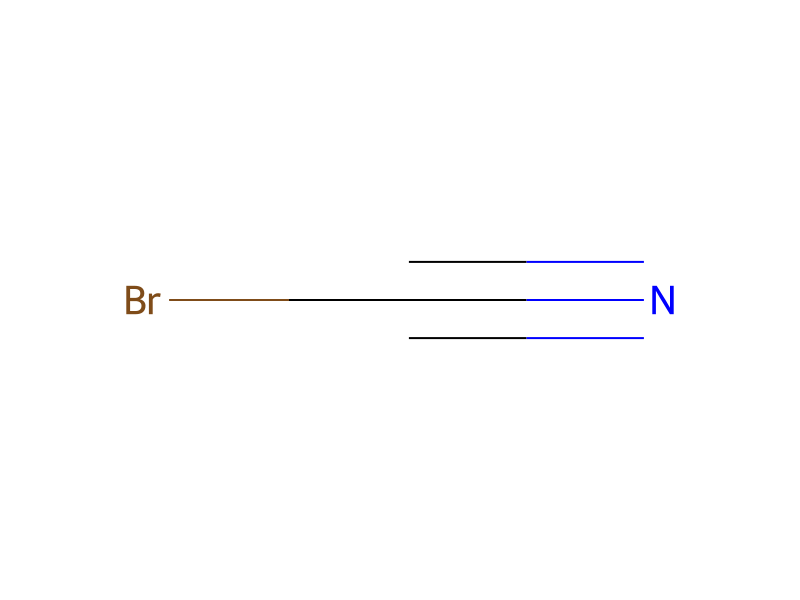
Cyanogen Bromide → HCID 178480620, compound
Reaction equation

[NH2:1][C:2]1[C:19]([NH2:20])=[CH:18][C:5]([C:6]([NH:8][C:9]2[CH:17]=[C:16]3[C:12]([CH:13]=[N:14][NH:15]3)=[CH:11][CH:10]=2)=[O:7])=[C:4]([N:21]2[CH2:26][CH2:25][N:24]([CH3:27])[CH2:23][CH2:22]2)[CH:3]=1.[N:28]#[C:29]Br>CCO.C(OCC)C>[NH:15]1[C:16]2[C:12](=[CH:11][CH:10]=[C:9]([NH:8][C:6]([C:5]3[C:4]([N:21]4[CH2:26][CH2:25][N:24]([CH3:27])[CH2:23][CH2:22]4)=[CH:3][C:2]4[NH:1][C:29]([NH2:28])=[N:20][C:19]=4[CH:18]=3)=[O:7])[CH:17]=2)[CH:13]=[N:14]1Participants
5
Reactant 2

Product 1

Reagents, catalysts & solvents 2


Procedure
To a solution of 4,5-diamino-2-(4-methylpiperazin-1-yl)-N-(1H-indazol-6-yl)-benzamide (2 mmol; see Example 181) in 10% aqueous EtOH (6 mL) was added cyanogen bromide (2.2 mmol), and the mixture was heated at reflux for 4 h. The reaction mixture was then concentrated in vacuo, and the residue obtained was suspended in diethyl ether with vigorous stirring. The solid obtained was collected by filtration, washed with diethyl ether, and dried in vacuo to afford 2-amino-6-(4-methylpiperazin-1-yl)-1H-benzimidazole-5-carboxylic acid (1H-indazol-6-yl)-amide as a hydrobromide salt. MS: m/z 391 (M+H)+.
Workup
- temperaturethe mixture was heated
- temperatureat reflux for 4 h
- concentrationThe reaction mixture was then concentrated in vacuo
- customthe residue obtained
- customThe solid obtained
- filtrationwas collected by filtration
- washwashed with diethyl ether
- customdried in vacuo
Sources & evidence
- ORD record
- ord-58b6101319094fdbb9ae75bbb6093257
- Source dataset
- uspto-grants-2010_10
- Patent number
- US07820821B2
Reaction notes
Loading…