5-Vinyl-2-norbornene → Bicyclo(2.2.1)hept-2-ene, 5-ethyl-
Reaction equation

[CH:1]([CH:3]1[CH2:8][CH:7]2[CH2:9][CH:4]1[CH:5]=[CH:6]2)=[CH2:2].C([Al](CC)CC)C>[Cl-].[Cl-].[CH-]1C=CC=C1.[CH-]1C=CC=C1.[Ti+2]>[CH2:1]([CH:3]1[CH2:8][CH:7]2[CH2:9][CH:4]1[CH:5]=[CH:6]2)[CH3:2]Participants
4
Reactant 2

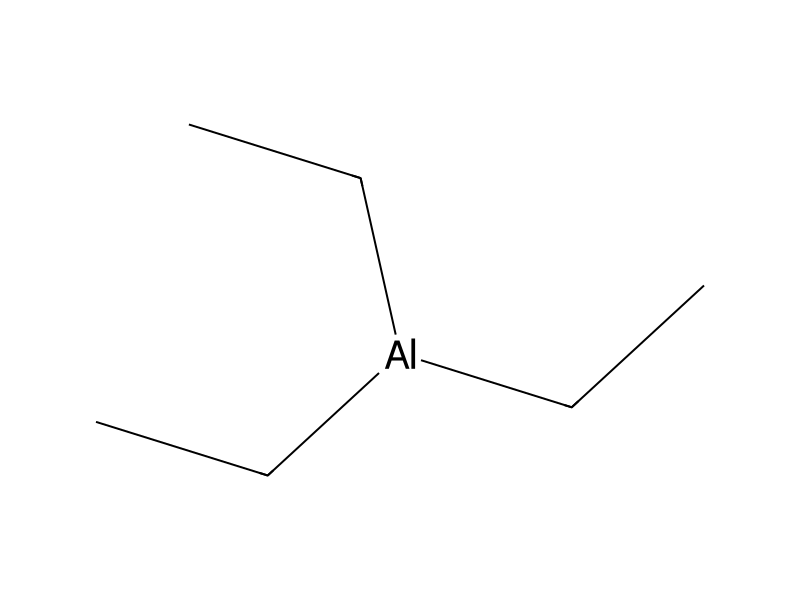
Product 1

Reagents, catalysts & solvents 1
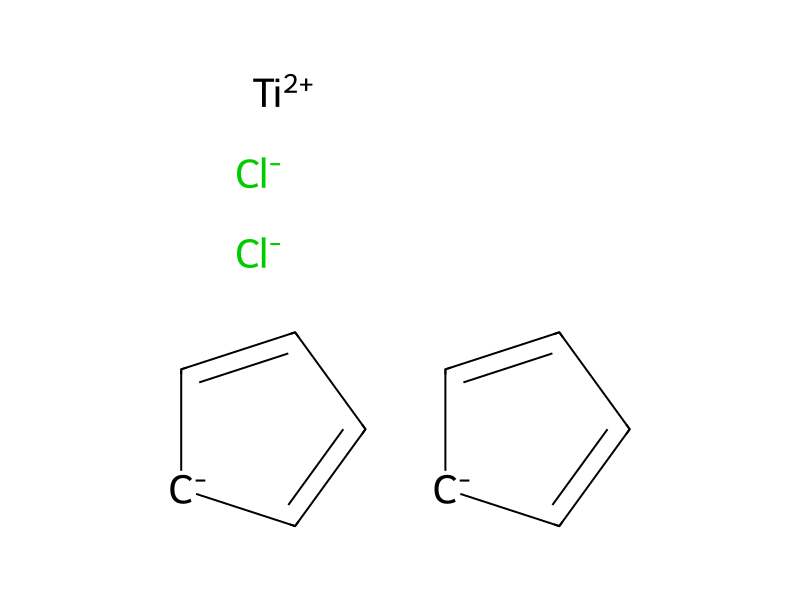
Procedure
The reaction was carried out in the same way as in Example 1 except that the substrate was changed to 5-vinylbicyclo[2. 2. 1]hept-2-ene, 6 mmol of titanocenedichloride and 60 mmol of triethyl aluminum were charged into the autoclave, and the reaction period was set to five hours, to produce 134.7 g of 5-ethylbicyclo[2. 2. 1]hept-2-ene having the purity of 98.9%. Analyses by proton NMR revealed that only the signal of unsaturated proton of norbornene could be noticed in the vicinity of 5.8 ppm (δ) whereas the signal of unsaturated proton of vinyl in the vicinity of 5.0 ppm (δ) could not be noticed.
Workup
- additionwere charged into the autoclave
- customthe reaction period
Sources & evidence
- ORD record
- ord-94828a4a448e4323b85812effae1f3cc
- Source dataset
- uspto-grants-1990_03
- Patent number
- US04908420
Reaction notes
Loading…