3-Chloro-2-chloromethyl-1-propene → HCID 22996975, compound
Reaction equation

Cl[O-].[Na+].C([O-])(=O)C.[Na+].[Br:9][C:10]1[C:11]([CH3:23])=[C:12]([C:16]([S:19]([CH3:22])(=[O:21])=[O:20])=[CH:17][CH:18]=1)[CH:13]=[N:14][OH:15].[Cl:24][CH2:25][C:26]([CH2:28][Cl:29])=[CH2:27]>C(Cl)Cl>[Br:9][C:10]1[CH:18]=[CH:17][C:16]([S:19]([CH3:22])(=[O:21])=[O:20])=[C:12]([C:13]2[CH2:27][C:26]([CH2:28][Cl:29])([CH2:25][Cl:24])[O:15][N:14]=2)[C:11]=1[CH3:23]Participants


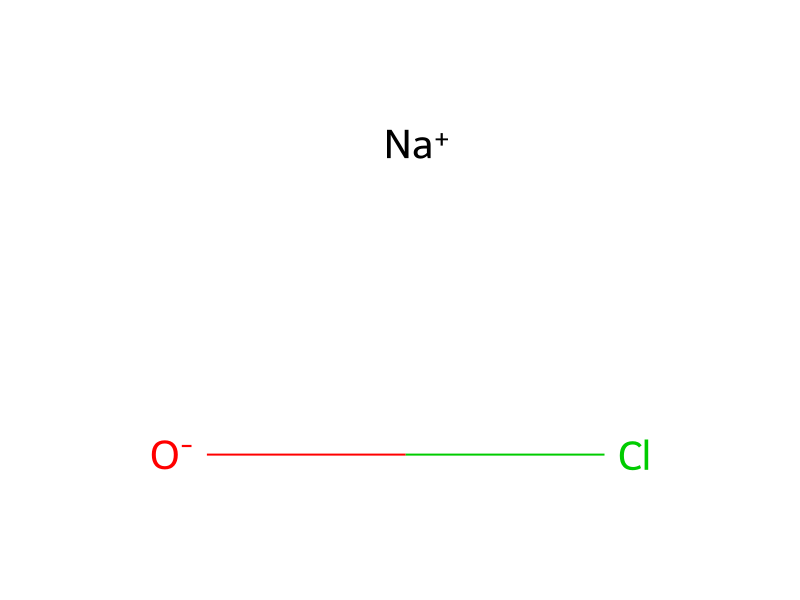



Procedure
At room temperature, 50 ml of sodium hypochlorite solution (which contained 3.8 g (51.4 mmol) of NaOCl, admixed with a spatula tip of sodium acetate) were added dropwise with stirring to a solution of 15 g (51.4 mmol) of 3-bromo-2-methyl-6-methylsulfonylbenzaldehyde oxime and 7.1 g (56.5 mmol) of 2-chloromethyl-3-chloropropene in 250 ml of methylene chloride. The reaction mixture was stirred at room temperature overnight. The phases were separated, and the organic phase was washed three times with water, dried and evaporated to dryness. The residue was chromatographed on silica gel using, as mobile phase, first cyclohexane, then cyclohexane/ethyl acetate 90:10 and finally cyclohexane/ethyl acetate 80:20. This gave 13.5 g of a white powder (63.3% of theory). M.p.: 144-145° C. The 1H-NMR spectrum found corresponds to the given structure.
Workup
- customAt room temperature
- additionwere added dropwise
- customThe phases were separated
- washthe organic phase was washed three times with water
- customdried
- customevaporated to dryness
- customThe residue was chromatographed on silica gel using, as mobile phase, first cyclohexane
Sources & evidence
- ORD record
- ord-3f0e7ff0d509431c83ddf9bbc65f2641
- Source dataset
- uspto-grants-2003_09
- Patent number
- US06613719B1
Reaction notes
Loading…