Glycine → HCID 131723308, compound
Reaction equation

[NH2:1][CH2:2][C:3]([OH:5])=[O:4].[O-2].[Ca+2:7]>O>[NH2:1][CH2:2][C:3]([O-:5])=[O:4].[NH2:1][CH2:2][C:3]([OH:5])=[O:4].[NH2:1][CH2:2][C:3]([O-:5])=[O:4].[Ca+2:7]Participants
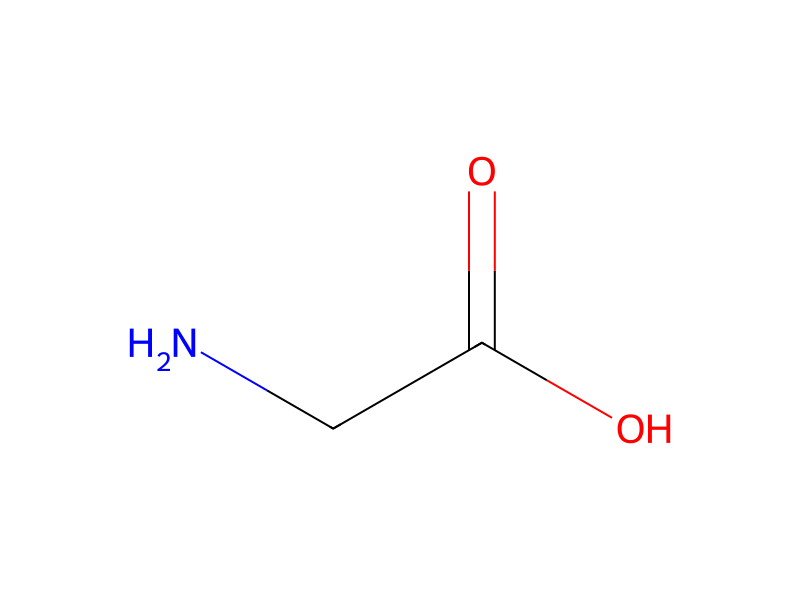


Reagents, catalysts & solvents 1

Procedure
About 2252 grams of water is used to dissolve 450.42 grams of fermentation-produced glycine and 168.24 grams of calcium oxide into solution. The resulting reaction formed a calcium trisglycinate chelate or complex solution. Next, 500.18 grams of chromic sulfate hydrate containing 19 wt % chromium is added to the calcium chelate solution. The solution is stirred while the copper sulfate is dissolved and as a white precipitate of calcium sulfate formed. Upon completion of the reaction, about 545 grams of a chromic trisglycinate chelate having a ligand to metal molar ratio of about 3:1 is formed. All of the compositional components used in the preparation are hypoallergenic, and none of the equipment selected for use should affect the hypoallergenic nature of the chelates.
Workup
- customThe resulting reaction
Sources & evidence
- ORD record
- ord-92be9362fe3245b383cafa4a74bcaeb2
- Source dataset
- uspto-grants-2010_11
- Patent number
- US07838042B2
Reaction notes
Loading…