Pyridine → Benzyl 3-{7-bromo-1-[2-(cyclopropanecarbonylamino)ethyl]-3-methyl-1H-indol-6-ylmethoxy}-4-{4-[3-(2-methoxybenzyloxy)propoxy]phenyl}piperidine-1-carboxylate
Reaction equation

[NH2:1][CH2:2][CH2:3][N:4]1[C:12]2[C:7](=[CH:8][CH:9]=[C:10]([CH2:14][O:15][CH:16]3[CH:21]([C:22]4[CH:27]=[CH:26][C:25]([O:28][CH2:29][CH2:30][CH2:31][O:32][CH2:33][C:34]5[CH:39]=[CH:38][CH:37]=[CH:36][C:35]=5[O:40][CH3:41])=[CH:24][CH:23]=4)[CH2:20][CH2:19][N:18]([C:42]([O:44][CH2:45][C:46]4[CH:51]=[CH:50][CH:49]=[CH:48][CH:47]=4)=[O:43])[CH2:17]3)[C:11]=2[Br:13])[C:6]([CH3:52])=[CH:5]1.N1C=CC=CC=1.[CH:59]1([C:62](Cl)=[O:63])[CH2:61][CH2:60]1>ClCCl>[Br:13][C:11]1[C:10]([CH2:14][O:15][CH:16]2[CH:21]([C:22]3[CH:23]=[CH:24][C:25]([O:28][CH2:29][CH2:30][CH2:31][O:32][CH2:33][C:34]4[CH:39]=[CH:38][CH:37]=[CH:36][C:35]=4[O:40][CH3:41])=[CH:26][CH:27]=3)[CH2:20][CH2:19][N:18]([C:42]([O:44][CH2:45][C:46]3[CH:51]=[CH:50][CH:49]=[CH:48][CH:47]=3)=[O:43])[CH2:17]2)=[CH:9][CH:8]=[C:7]2[C:12]=1[N:4]([CH2:3][CH2:2][NH:1][C:62]([CH:59]1[CH2:61][CH2:60]1)=[O:63])[CH:5]=[C:6]2[CH3:52]Participants
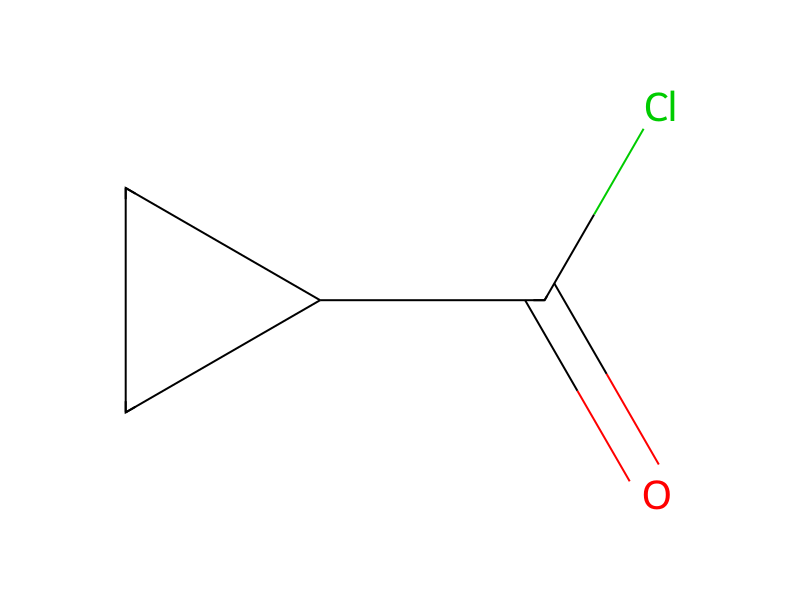
Reactant 3


Product 1

Reagents, catalysts & solvents 1

Procedure
The solution of 0.400 g of benzyl 3-[1-(2-aminoethyl)-7-bromo-3-methyl-1H-indol-6-ylmethoxy]-4-{4-[3-(2-methoxybenzyloxy)propoxy]phenyl}piperidine-1-carboxylate (Example 76b) in 2.5 ml of dichloromethane is admixed successively with 0.74 ml of pyridine and 0.43 ml of cyclopropanecarbonyl chloride, and stirred at room temperature over 30 minutes. The reaction mixture is poured onto water (50 ml) and extracted with dichloromethane (2×40 ml). The organic phases are washed successively with 1M sodium hydrogencarbonate solution (40 ml) and brine (40 ml), dried over sodium sulphate, filtered and concentrated by evaporation. The title compound is obtained as a white foam from the residue by means of flash chromatography (SiO2 60F). Rf=0.16 (1:1 EtOAc-heptane); Rt=6.02.
Workup
- additionThe reaction mixture is poured onto water (50 ml)
- extractionextracted with dichloromethane (2×40 ml)
- washThe organic phases are washed successively with 1M sodium hydrogencarbonate solution (40 ml) and brine (40 ml)
- dry with materialdried over sodium sulphate
- filtrationfiltered
- concentrationconcentrated by evaporation
Sources & evidence
- ORD record
- ord-70d916f75de74048a48795ed2d437d55
- Source dataset
- uspto-grants-2010_11
- Patent number
- US07842688B2
Reaction notes
Loading…