Acetic Acid → Terephthalic Acid
Reaction equation

ON1C(=O)N(O)C(=O)N(O)[C:3]1=[O:12].[C:13]([OH:16])(=[O:15])[CH3:14].[OH2:17].[CH3:18][C:19]1C=C[C:22](C)=[CH:23][CH:24]=1>C([O-])(=O)C.[Co+2].C([O-])(=O)C.C([O-])(=O)C.[Mn+2].C([O-])(=O)C>[C:3]([OH:12])(=[O:17])[C:24]1[CH:23]=[CH:22][C:14]([C:13]([OH:16])=[O:15])=[CH:18][CH:19]=1Participants
7





Conditions
- Temperature
- 150 °C
Procedure
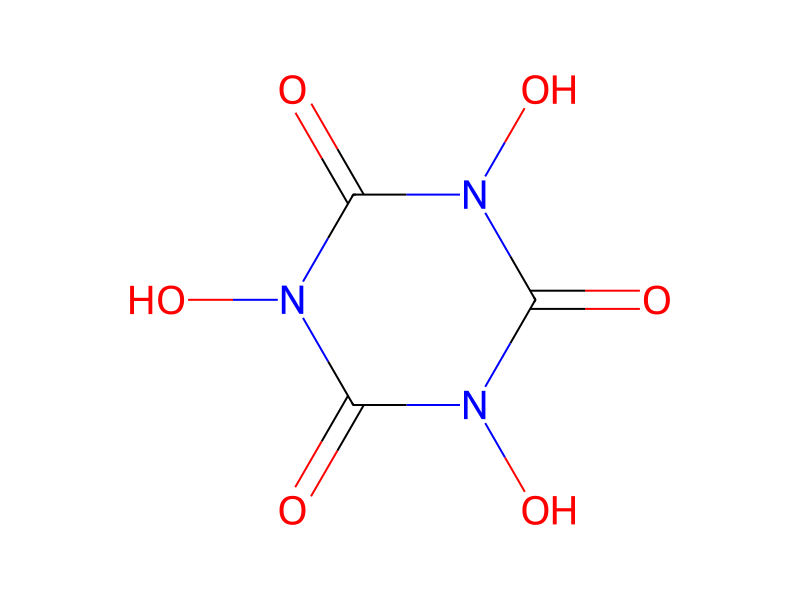
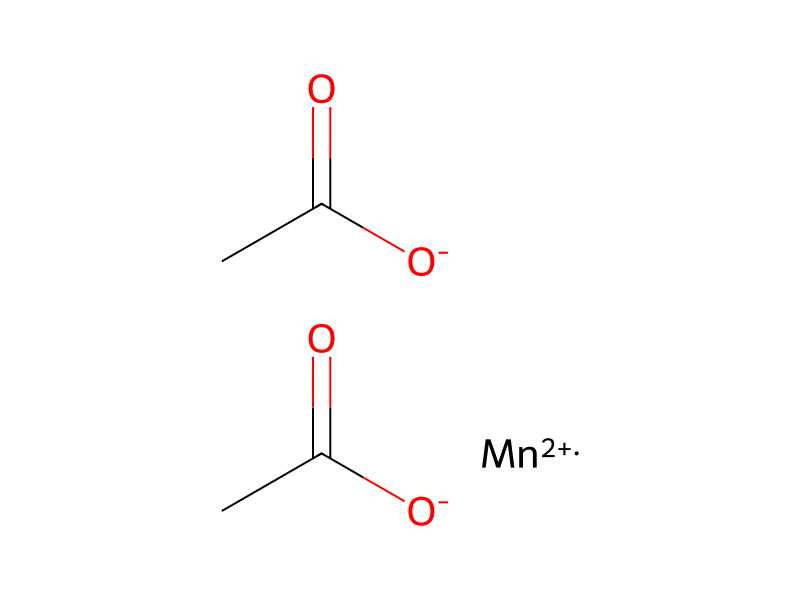
In an autoclave, 0.212 g of p-xylene, 0.011 g of hexahydro-1,3,5-trihydroxy-1,3,5-triazine-2,4,6-trione (3% by mole relative to p-xylene), 5 g of acetic acid, 0.003 g of cobalt(II) acetate.4 H2O, 0.003 g of manganese(II) acetate.4 H2O and 0.001 g of zirconium oxyacetate were placed. The autoclave was charged with 2 MPa of air and placed in a heated oil bath. The mixture was stirred at 150° C. for 12 hours. After the completion of reaction, the autoclave was placed on cold water to cool down the reaction mixture quickly. The resulting mixture was analyzed by high performance liquid chromatography and was found to yield terephthalic acid in 99% yield at 100% conversion of p-xylene.
Workup
- additionThe autoclave was charged with 2 MPa of air
- customplaced in a heated oil bath
- customAfter the completion of reaction
- temperatureto cool down the reaction mixture quickly
Sources & evidence
- ORD record
- ord-849413584eb34ae78a901248557f7093
- Source dataset
- uspto-grants-2007_10
- Patent number
- US07288649B2
Reaction notes
Loading…