Water → Methyl 3-bromo-10-propyl-7,8,9,10-tetrahydropyrido[2,3-b]azocine-6-carboxylate
Reaction equation

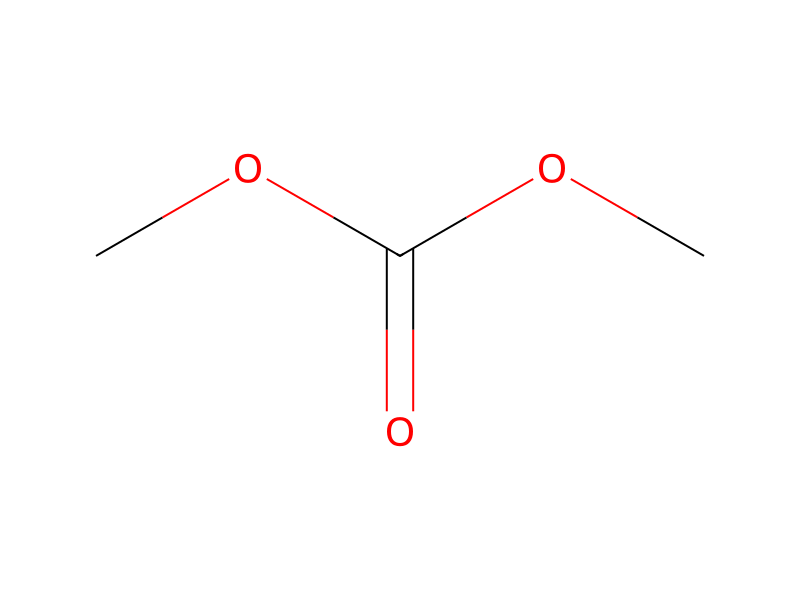
[Br:1][C:2]1[CH:3]=[C:4]([CH:20]=O)[C:5]([N:8]([CH2:17][CH2:18][CH3:19])[CH2:9][CH2:10][CH2:11][CH2:12][C:13]([O:15][CH3:16])=[O:14])=[N:6][CH:7]=1.C[O-].[Na+].O>C(=O)(OC)OC.CO>[Br:1][C:2]1[CH:7]=[N:6][C:5]2[N:8]([CH2:17][CH2:18][CH3:19])[CH2:9][CH2:10][CH2:11][C:12]([C:13]([O:15][CH3:16])=[O:14])=[CH:20][C:4]=2[CH:3]=1Participants
Reactant 3



Product 1

Reagents, catalysts & solvents 2

Conditions
- Temperature
- 65 °C
Procedure
To a solution of methyl 5-[(5-bromo-3-formylpyridin-2-yl)(propyl)amino]pentanoate (880 mg) in dimethyl carbonate (20 ml) was added a 28% sodium methoxide solution in methanol (951 mg), and the mixture was heated at 65° C. for 6 hours under a nitrogen atmosphere. The mixture was returned to room temperature, water was added thereto, and then the mixture was extracted with ethyl acetate. The organic layer was washed with saturated brine, and dried over magnesium sulfate. The solvent was distilled off under reduced pressure and the resulting residue was purified by silica gel column chromatography (hexane:ethyl acetate=9:1) to give methyl 3-bromo-10-propyl-7,8,9,10-tetrahydropyrido[2,3-b]azocine-6-carboxylate (835 mg) as a yellow oily material.
Workup
- customwas returned to room temperature
- extractionthe mixture was extracted with ethyl acetate
- washThe organic layer was washed with saturated brine
- dry with materialdried over magnesium sulfate
- distillationThe solvent was distilled off under reduced pressure
- customthe resulting residue was purified by silica gel column chromatography (hexane:ethyl acetate=9:1)
Sources & evidence
- ORD record
- ord-d820e4ccb5034f74b1dafa8e41825f1b
- Source dataset
- uspto-grants-2007_10
- Patent number
- US07288654B2
Reaction notes
Loading…