Acetic Acid → Calcium acetate monohydrate
Reaction equation

O.[P:2]([O-:6])([O-:5])([O-:4])=[O:3].[K+:7].[K+].[K+].[Ca:10].P([O-])([O-])([O-])=[O:12].[C:16]([OH:19])(=[O:18])[CH3:17]>>[OH2:3].[C:16]([O-:19])(=[O:18])[CH3:17].[Ca+2:10].[C:16]([O-:19])(=[O:18])[CH3:17].[OH2:12].[P:2]([O-:6])([O-:5])([O-:4])=[O:3].[K+:7].[K+:7].[K+:7]Participants

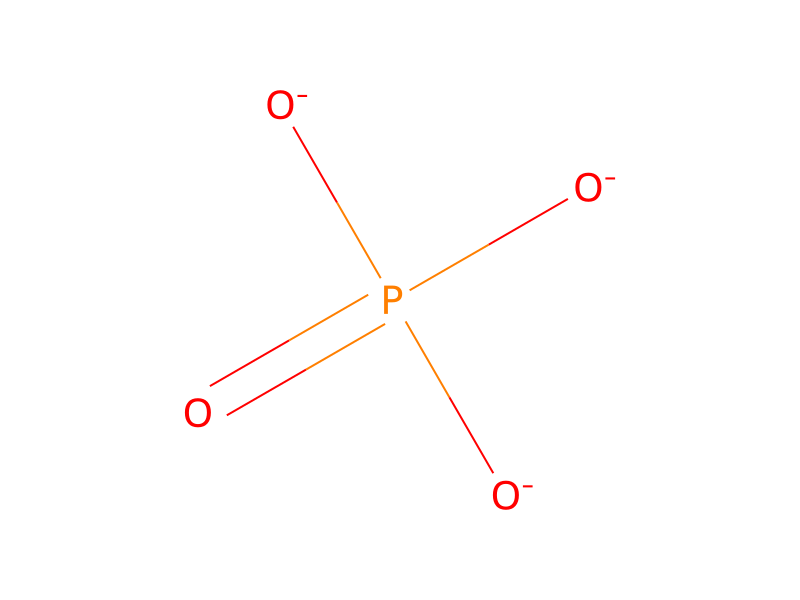


Procedure
Calcium acetate hydrate and potassium orthophosphate hydrate solutions were prepared as described in Example 1. The potassium orthophosphate hydrate solution was divided in half and acetic acid was added to one of the two portions until the pH of the solution was 7.4 (volume depends on total solution volume, for example 500 mL solution needs about 23 mL of glacial acetic acid). Proportional amounts of each of the three solutions were then measured out to create a calcium to phosphate ratio of 1.67 and pH of 7.4 (final concentrations of ions if they were to remain in solution would be 0.5 m/0.3 m). A 20 mL reaction required 10 mL of the calcium solution to be measured and poured into a beaker and 8.5 mL of the phosphate solution (unadjusted) to be added to the calcium solution followed by 1.5 mL of the pH adjusted solution. Agitation via stirring with a glass rod was then performed until the solution appeared completely mixed and white (a gelation is not seen). The slurry was not aged. The concentrate or solution was then dried in an oven at 70° C. for 24 hours and desiccated until use or immediately atomized onto a TEM grid for characterization.
Workup
- additionwas added to one of the two portions until the pH of the solution
- additionappeared completely mixed
- concentrationThe concentrate
- customsolution was then dried in an oven at 70° C. for 24 hours
Sources & evidence
- ORD record
- ord-547719d126c84ab29aa417e3e9d0fc19
- Source dataset
- uspto-grants-2014_03
- Patent number
- US08673252B2
Reaction notes
Loading…