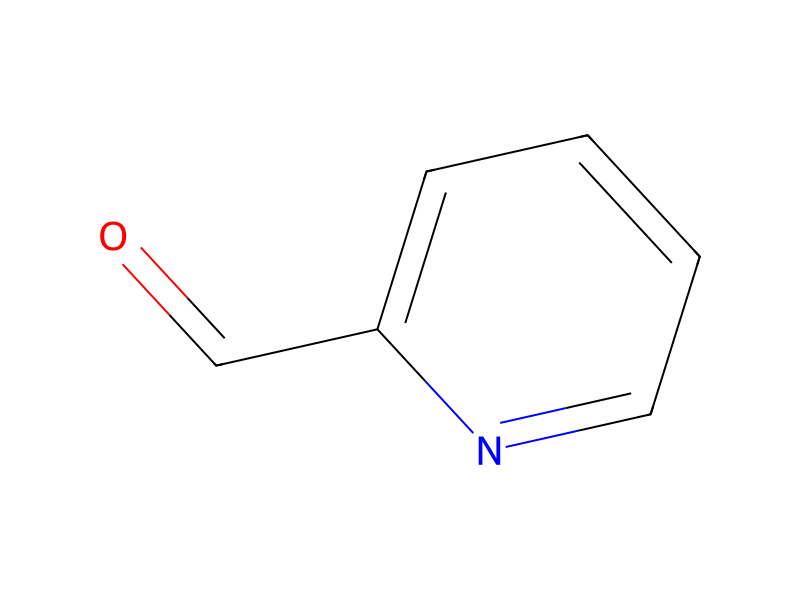
2-Pyridinecarboxaldehyde → 2,2,2-Trifluoro-1-(pyridin-2-yl)ethan-1-ol
Reaction equation

[N:1]1[CH:6]=[CH:5][CH:4]=[CH:3][C:2]=1[CH:7]=[O:8].[F:9][C:10]([Si](C)(C)C)([F:12])[F:11].[F-].C([N+](CCCC)(CCCC)CCCC)CCC>O1CCCC1>[F:9][C:10]([F:12])([F:11])[CH:7]([C:2]1[CH:3]=[CH:4][CH:5]=[CH:6][N:1]=1)[OH:8]Participants
5



Procedure
According to Reference Example 8-12, by use of 2-pyridinecarboxaldehyde (500 μL, 5.26 mmol), (trifluoromethyl)trimethylsilane (932 μL, 6.31 mmol), tetrabutylammonium fluoride (a 1.0 mol/L solution in tetrahydrofuran, 526 μL, 0.526 mmol) and tetrahydrofuran (10 mL), the mixture was stirred and reacted at room temperature for 10 minutes. Then, purification by silica gel column chromatography (chloroform/methanol=9/1) was performed to give 2-(2,2,2-trifluoro-1-hydroxyethyl)pyridine (Compound CN) (1.18 g, yield: quantitative).
Workup
- customreacted at room temperature for 10 minutes
- customThen, purification by silica gel column chromatography (chloroform/methanol=9/1)
Sources & evidence
- ORD record
- ord-358ac4f581e94a6c855b75484f4aef9e
- Source dataset
- uspto-grants-2014_03
- Patent number
- US08673908B2
Reaction notes
Loading…