HomeMCPWorkbenchSkills
HomeWorkbenchNotificationsMe
llms.txt · MCP GuidePrivacy Policy · Terms of Service · Supportv1.8.3
  1. Home
  2. /Compound

2-Pyridinecarboxaldehyde

HCID 14273
New reaction
Print
Basic informationOverviewNames & identifiersPropertiesSafety & regulationChemistry & industryRelated reactionsCompound notes
Substructure searchFind similar structures

Basic information

CAS
1121-60-4
Standard SMILES
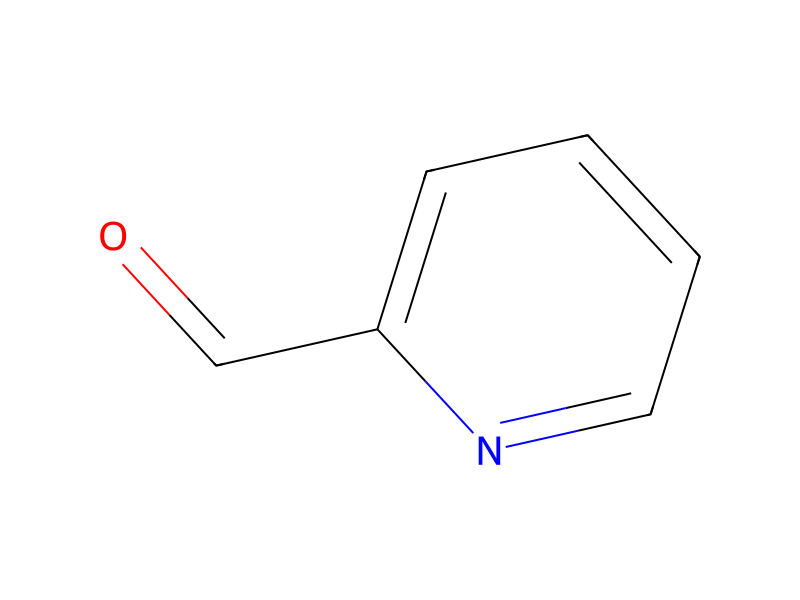
O=Cc1ccccn1
InChIKey
CSDSSGBPEUDDEE-UHFFFAOYSA-N
Molecular formula
C6H5NO
Average molar mass
107.11 g/mol
Monoisotopic mass
107.03711378

Overview

2-formylpyridine is a pyridinecarbaldehyde that is pyridine in which the hydrogen at position 2 is replaced by a formyl group.
Names & identifiers

Preferred name
2-Pyridinecarboxaldehyde
IUPAC
pyridine-2-carbaldehyde
English name
2-Pyridinecarboxaldehyde
Molecular formula
C6H5NO
Molecular weight
107.11

Names & synonyms

2-PyridinecarboxaldehydePicolinaldehyde1121-60-4Pyridine-2-carbaldehyde2-FormylpyridinePyridine-2-aldehyde2-Picolinaldehyde2-Pyridaldehydeo-NicotinaldehydePicolinic aldehyde2-Picolinealdehyde2-Pyridylaldehyde
Show more names
PYRIDINE-2-CARBOXALDEHYDE2-Pyridinecarboxyaldehyde2-PAPicolinal2-PYRIDINECARBALDEHYDEPyridine-2-formaldehyde
2-Pyridylcarboxaldehydealpha-PicolinaldehydeKH86K8FHZ2NSC-8951DTXSID1061522CHEBI:73012RefChem:870728DTXCID3033276

Database identifiers

CAS
1121-60-4、26445-06-7
PubChem CID
14273
DTXSID
DTXSID1061522
ChEMBL
CHEMBL274794
ChEBI
CHEBI:73012
UNII
KH86K8FHZ2
EC Number
214-333-6
Nikkaji
J28.014C

Properties

Computed structural properties

XLogP
0.4
Topological polar surface area
30 Ų
Hydrogen bond donors
0
Hydrogen bond acceptors
2
Rotatable bonds
1
Heavy atoms
8
Formal charge
0
Complexity
82.6

Experimental & physicochemical properties

Chemical ClassesNitrogen Compounds -> Pyridines
SpringerMaterials PropertiesSchoenflies notation
LogP0.44
Vapor Pressure0.56 [mmHg]
Physical DescriptionYellow liquid; [Alfa Aesar MSDS]

Physicochemical properties

Melting point
148 · 148–151 °C (298–304 °F; 421–424 K)
Boiling point
181 °C · 181 °C (358 °F; 454 K)
Density
1.126 g/mL · 1.126 g/mL
vapor pressure
73 Pa · 73Pa at 20℃
refractive index
1.54 · 1.54
Flash point
77 °C · 77 °C
storage temp.
2 · 2-8°C
pka
3.8 · 3.8(at 20℃)
form
clear liquid
color
Colorless to Yellow
PH
6.5 · 6.5 (111g/l, H2O, 20℃)
Water Solubility
miscible
Sensitive
Air Sensitive
BRN
105341 · 105341
InChI
1S/C6H5NO/c8-5-6-3-1-2-4-7-6/h1-5H
InChIKey
CSDSSGBPEUDDEE-UHFFFAOYSA-N
SMILES
[H]C(=O)c1ccccn1
LogP
0.714 at · 0.714 at 20.5℃
CAS DataBase Reference
1121 · 1121-60-4(CAS DataBase Reference)
FDA UNII
86 K8FHZ2 · KH86K8FHZ2
NIST Chemistry Reference
2 · 2-Pyridinecarboxaldehyde(1121-60-4)
EPA Substance Registry System
2 · 2-Pyridinecarboxaldehyde (1121-60-4)
UNSPSC Code
12352100 · 12352100
NACRES
22 · NA.22
Symbol(GHS)
5 · GHS05,GHS06
Signal word
Danger
Hazard statements
302 · H302-H315-H317-H318-H330-H335
Precautionary statements
260 · P260-P280-P301+P312-P302+P352-P304+P340+P310-P305+P351+P338
PPE
Eyeshields, Faceshields, Gloves, type ABEK (EN14387) respirator filter
Hazard Codes
Xn,Xi,N,T,F
Risk Statements
10 · 10-22-36/37/38-51/53-46-43-34-23-52
Safety Statements
7 · 7-26-36-61-53-45-36/37/39-29-16-36/37
RIDADR
1989 · UN 1989 3/PG 3
WGK Germany
3 · 3
F
8 · 8-10-23
Hazard Note
Irritant/Keep Cold/Air Sensitive
TSCA
TSCA listed
HazardClass
6.1 · 6.1
PackingGroup
III
HS Code
2933399090 · 2933399090
Storage Class
6.1 A · 6.1A - Combustible acute toxic Cat. 1 and 2very toxic hazardous materials
Hazard Classifications
2 InhalationAcute · Acute Tox. 2 InhalationAcute Tox. 4 OralEye Dam. 1Skin Corr. 1BSkin Sens. 1
REACH Registrations
Active

Safety & regulation

Safety information is for reference only and does not replace the supplier’s Safety Data Sheet (SDS), applicable regulations, or professional assessment.

GHS classification

GHS Classification · 4 items

Danger

H226 (17.1%): Flammable liquid and vapor [Warning Flammable liquids]

P210, P233, P240, P241, P242, P243, P260, P261, P264, P264+P265, P270, P271, P272, P273, P280, P284, P301+P317, P301+P330+P331, P302+P352, P302+P361+P354, P303+P361+P353, P304+P340, P305+P354+P338, P316, P317, P319, P320, P321, P330, P332+P317, P333+P317, P362+P364, P363, P370+P378, P391, P403+P233, P403+P235, P405, and P501 (click each P-code to see the statement)

Aggregated GHS information provided per 76 reports by companies from 16 notifications to the ECHA C&L Inventory. Each notification may be associated with multiple companies.

Hazard information

Regulatory Information · 3 items

Chemical: 2-Pyridinecarboxaldehyde

REACH registered substance: Pyridine-2-carbaldehyde (EC: 214-333-6)

2-Pyridinecarbaldehyde: Does not have an individual approval but may be used under an appropriate group standard

Hazards Summary · 1 item

An irritant that may cause serious eye injury; May cause skin sensitization; Harmful by ingestion; Toxic by inhalation; [Alfa Aesar MSDS] Search for (1121-60-4[EC/RN Number]) AND (sensitizer OR sensitization OR allergic) found no results; [PubMed) See Pyridine.

Hazard Classes and CategoriesFlam. Liq. 3 (17.1%)

Toxicology

Adverse EffectsSkin Sensitizer - An agent that can induce an allergic reaction in the skin.
Toxicity DataLC50 (rat) = 800 mg/m3/4hr

Safety data

F
8-10-23
PPE
Eyeshields, Faceshields, Gloves, type ABEK (EN14387) respirator filter
wgk
3
tsca
TSCA listed
ridadr
UN 1989 3/PG 3
hs_code
2933399090
risk_code
10-22-36/37/38-51/53-46-43-34-23-52
Signal word
Danger
Symbol(GHS)
GHS05,GHS06
hazard_code
Xn,Xi,N,T,F
hazard_note
Irritant/Keep Cold/Air Sensitive
safety_code
7-26-36-61-53-45-36/37/39-29-16-36/37
hazard_class
6.1
Storage Class
6.1A - Combustible acute toxic Cat. 1 and 2very toxic hazardous materials
packing_group
III
Hazard statements
H302-H315-H317-H318-H330-H335
REACH Registrations
Active
Hazard Classifications
Acute Tox. 2 InhalationAcute Tox. 4 OralEye Dam. 1Skin Corr. 1BSkin Sens. 1
Precautionary statements
P260-P280-P301+P312-P302+P352-P304+P340+P310-P305+P351+P338

Chemistry & industry

Uses & manufacturing

General Manufacturing Information2-Pyridinecarboxaldehyde: ACTIVE
Applications · 1 item

Uses2-Pyridinecarboxaldehyde has been used:To synthesize chitosan based bifunctionalized adsorbent.In the aldol addition reaction with pyruvate in the presence of 2-keto-3-deoxy-6-phosphogluconate aldolase (KDPG) catalyst to form (S)-4-hydroxy-2-keto-4-(2′-pyridyl)butyrate.In the condensation reaction with (S)-()-α-methylbenzylamine and (R)-(+)-α-methylbenzylamine to synthesize two chiral (S)-()- and (R)-(+)Schiff base compounds.It can also be combined with thiosemicarbazide to form 2-pyridinecarboxaldehyde thiosemicarbazone ligand (L) which can further complex with Ni(II) and Cu(II) salts (MX) to form [M(L)2X2] complexes.

Upstream & downstream products

Upstream raw materials

acetonitrileN,N-DimethylformamideAcetone2-Picoline2-BromopyridineSodium sulfateSodium chlorideTolueneChromium(VI) oxideTetrahydrofuranDiethyl etherHydrochloric acidDichloromethaneMethanolPyridinePetroleum ethern-Butyllithium

Downstream products

Pyridin-2-ylmethyl-hydrazine3-Pyridin-2-yl-propionic acid H2SO42-(2-Pyridyl)benzoxazole

Additional notes

DefinitionChEBI: 2-Pyridinecarboxaldehyde is a pyridinecarbaldehyde that is pyridine in which the hydrogen at position 2 is replaced by a formyl group.
Related reactions

566 records
New reaction record
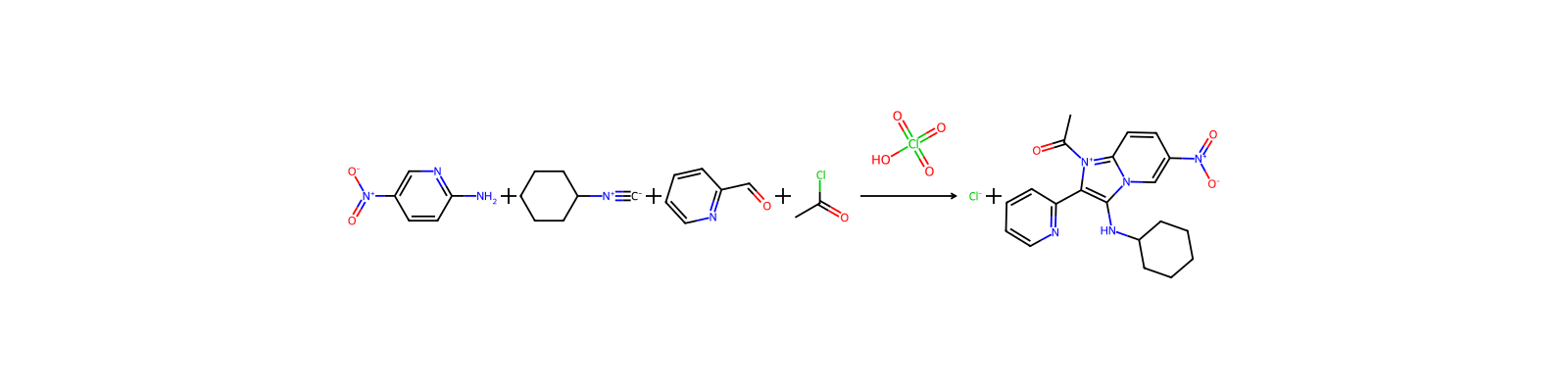
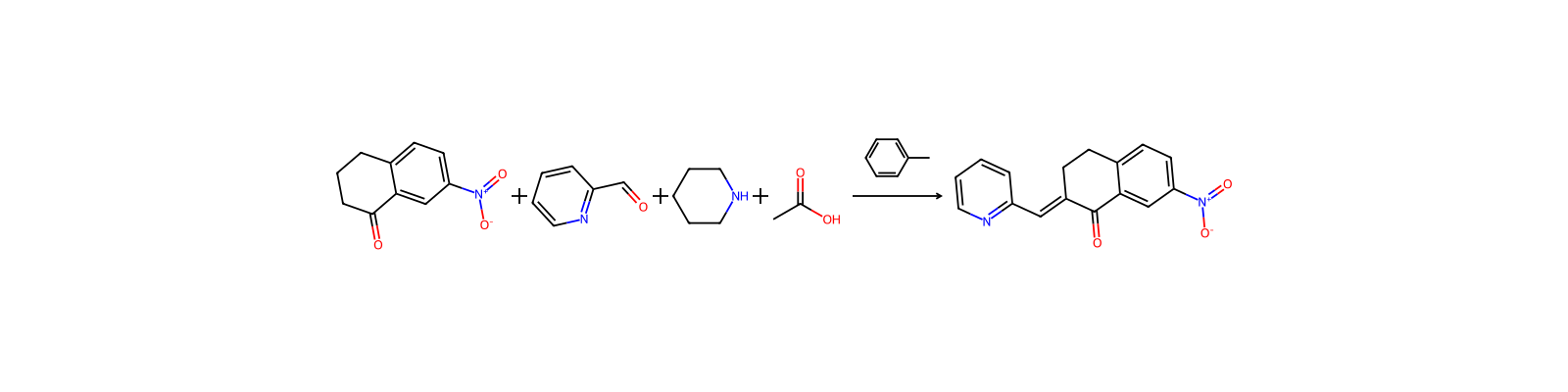
HRID 885 reaction equation
HRID 885As reactant
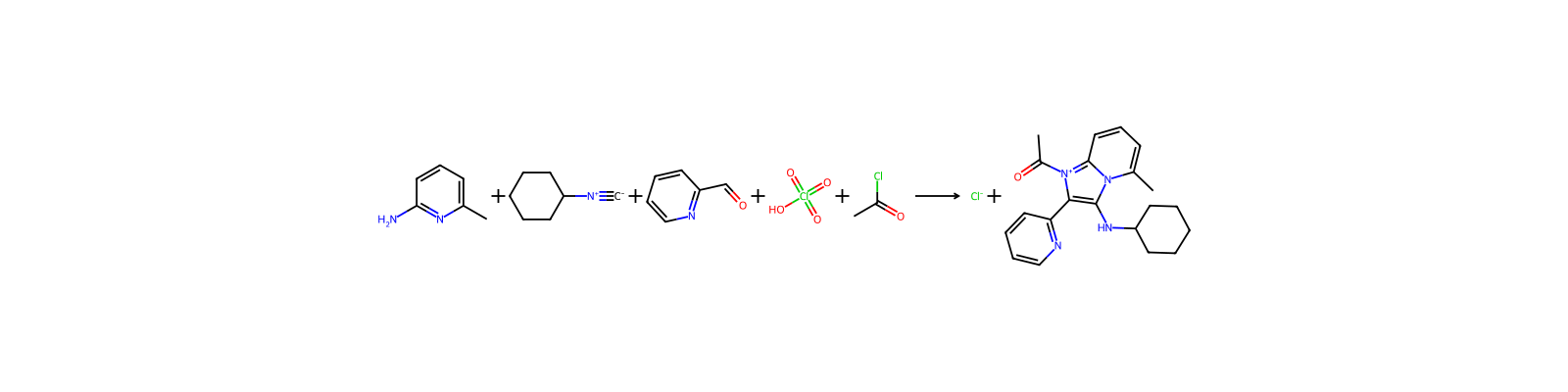
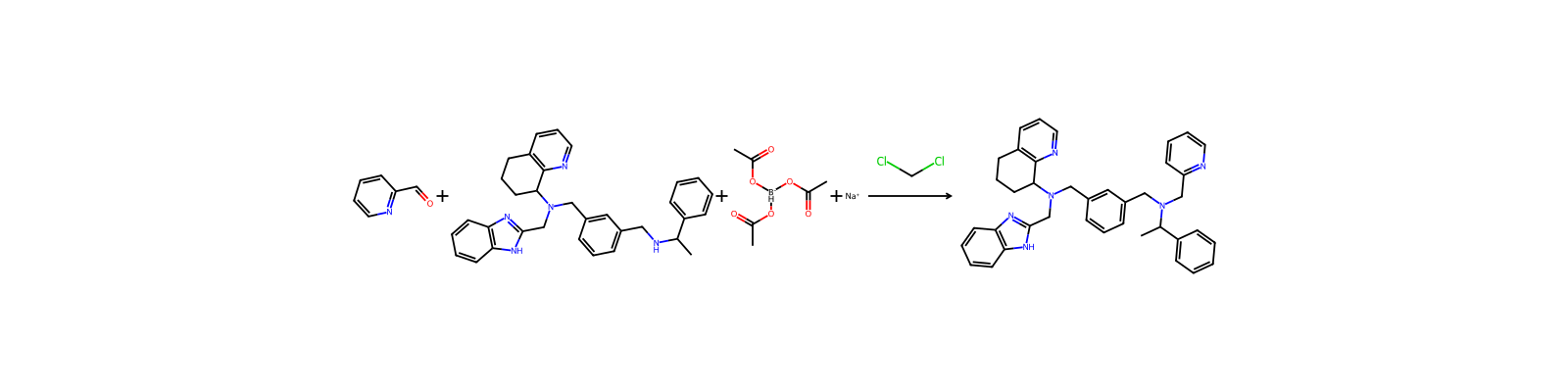
HRID 7059 reaction equation
HRID 7059As reactant
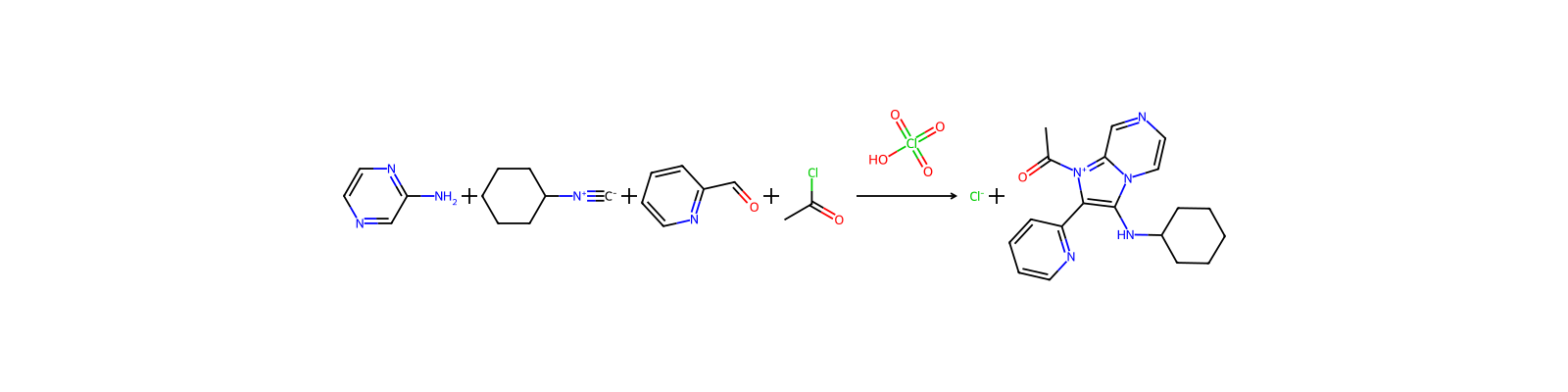
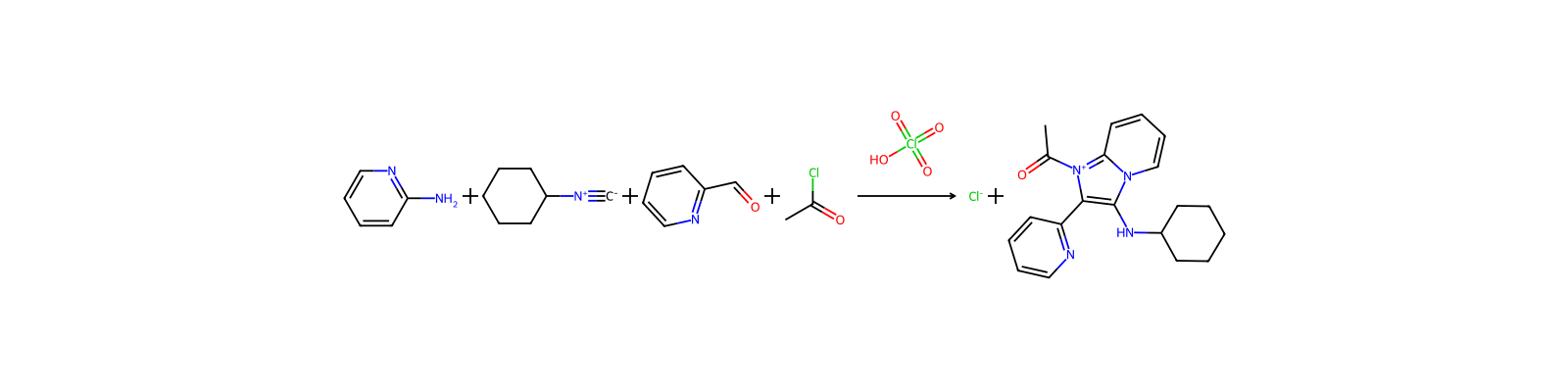
HRID 7178 reaction equation
HRID 7178As reactant
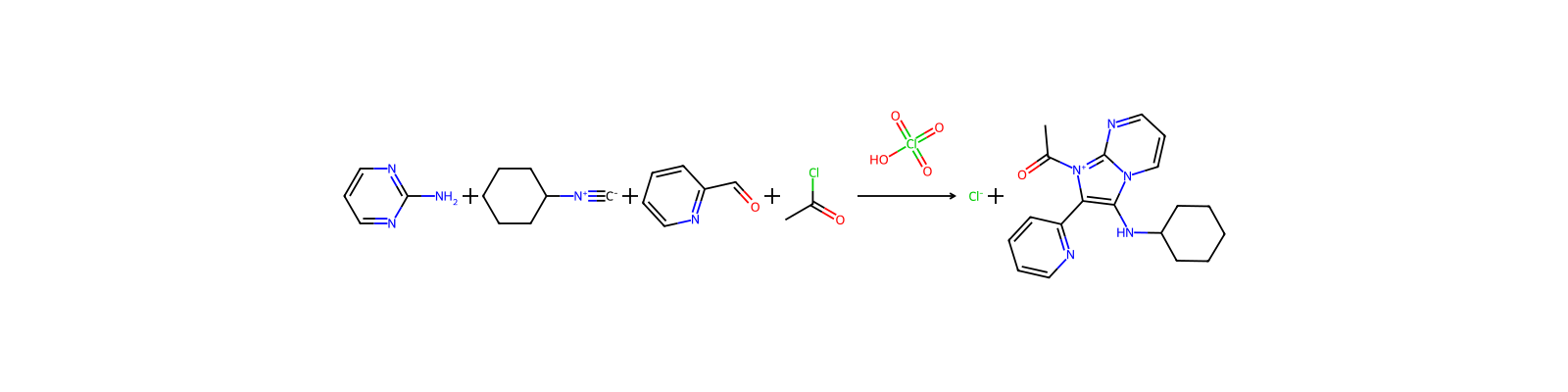
HRID 7521 reaction equation
HRID 7521As reactant
HRID 7522 reaction equation
HRID 7522As reactant
HRID 7523 reaction equation
HRID 7523As reactant
HRID 7524 reaction equation
HRID 7524As reactant
HRID 7525 reaction equation
HRID 7525As reactant
PreviousPage 1 of 71

Compound notes

On this pageBasic informationOverviewNames & identifiersPropertiesSafety & regulationChemistry & industryRelated reactionsCompound notes