2-Pyridinecarboxaldehyde → 2,2,2-trifluoro-1-(pyridin-4-yl)ethan-1-ol
Reaction equation

N1C=CC=CC=1C=[O:8].[F:9][C:10]([Si](C)(C)C)([F:12])[F:11].[F-].C([N+:22]([CH2:31][CH2:32][CH2:33][CH3:34])([CH2:27][CH2:28]CC)CCCC)CCC>O1CCCC1>[F:9][C:10]([F:12])([F:11])[CH:34]([C:33]1[CH:28]=[CH:27][N:22]=[CH:31][CH:32]=1)[OH:8]Participants
5
Reactant 3
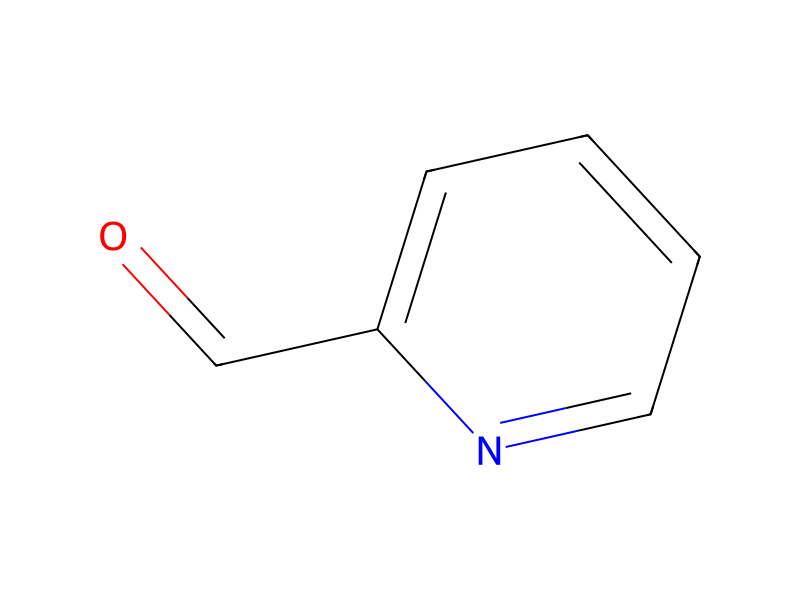


Product 1

Reagents, catalysts & solvents 1

Procedure
According to Reference Example 8-12, by use of 2-pyridinecarboxaldehyde (500 μL, 5.24 mmol), (trifluoromethyl)trimethylsilane (928 μL, 6.28 mmol), tetrabutylammonium fluoride (a 1.0 mol/L solution in tetrahydrofuran, 524 μL, 0.524 mmol) and tetrahydrofuran (10 mL), the mixture was stirred and reacted at room temperature for 2 hours. Then, purification by silica gel column chromatography (chloroform/methanol=9/1) was performed to give 4-(2,2,2-trifluoro-1-hydroxyethyl)pyridine (Compound CO) (1.04 g, yield: quantitative).
Workup
- customreacted at room temperature for 2 hours
- customThen, purification by silica gel column chromatography (chloroform/methanol=9/1)
Sources & evidence
- ORD record
- ord-601012c1881149dd91e9f728a9dc9a70
- Source dataset
- uspto-grants-2014_03
- Patent number
- US08673908B2
Reaction notes
Loading…