Pyridine → HCID 6468856, compound
Reaction equation

C(OC(=O)[NH:10][C:11]1[CH:16]=[CH:15][C:14]([F:17])=[CH:13][C:12]=1[F:18])C1C=CC=CC=1.N1C=CC=CC=1.[CH2:26]([C:28]1[CH:33]=[CH:32][C:31]([S:34](Cl)(=[O:36])=[O:35])=[CH:30][CH:29]=1)[CH3:27]>ClCCl.CN(C1C=CC=CN=1)C>[F:18][C:12]1[CH:13]=[C:14]([F:17])[CH:15]=[CH:16][C:11]=1[NH:10][S:34]([C:31]1[CH:32]=[CH:33][C:28]([CH2:26][CH3:27])=[CH:29][CH:30]=1)(=[O:36])=[O:35]Participants
6




Procedure
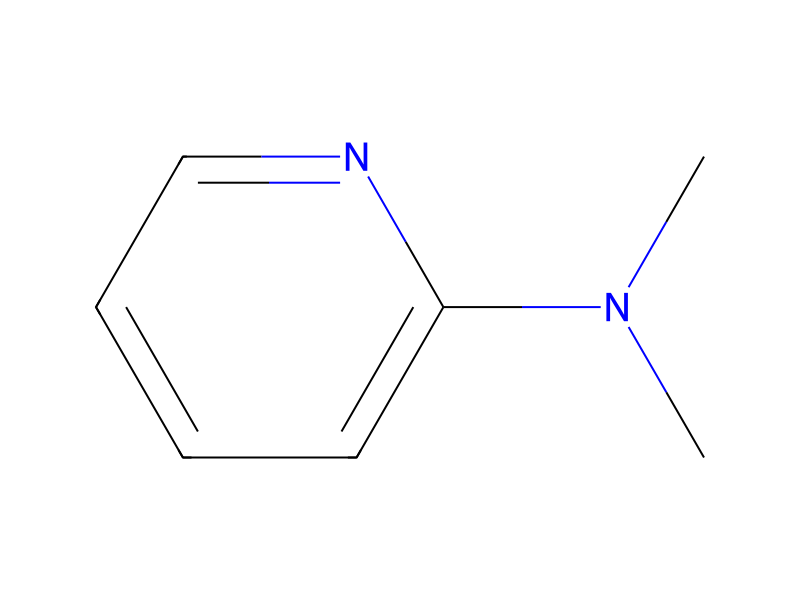
To 2,4-difluoro-phenylamine (30, 2.0 g, 15.5 mmol) in 20 mL of dichloromethane, pyridine (1.326 mL, 16.4 mmol) and dimethylaminopyridine (0.076 g, 0.62 mmol) are added followed by the dropwise addition of 4-ethyl-benzenesulfonyl chloride (59, 3.357 g, 16.4 mmol) and the reaction is heated to reflux overnight. The reaction is concentrated under vacuum to dryness, then brought up in ethyl acetate and water for extraction. The organic layer is isolated and concentrated under vacuum. The resulting material is purified by silica gel column chromatography eluting with a gradient of 10-20% ethyl acetate in hexane. Appropriate fractions are combined and concentrated under vacuum to provide the desired compound (60, 4.344 g).
Workup
- temperaturethe reaction is heated
- temperatureto reflux overnight
- concentrationThe reaction is concentrated under vacuum to dryness
- extractionwater for extraction
- customThe organic layer is isolated
- concentrationconcentrated under vacuum
- customThe resulting material is purified by silica gel column chromatography
- washeluting with a gradient of 10-20% ethyl acetate in hexane
- concentrationconcentrated under vacuum
Sources & evidence
- ORD record
- ord-1f6d5ae2c18e4ab88317503849595135
- Source dataset
- uspto-grants-2014_03
- Patent number
- US08673928B2
Reaction notes
Loading…