Pyridine → 2-Acetyl-5-phenylsulphonamido-1,2,3,4-tetrahydroisoquinoline
Reaction equation

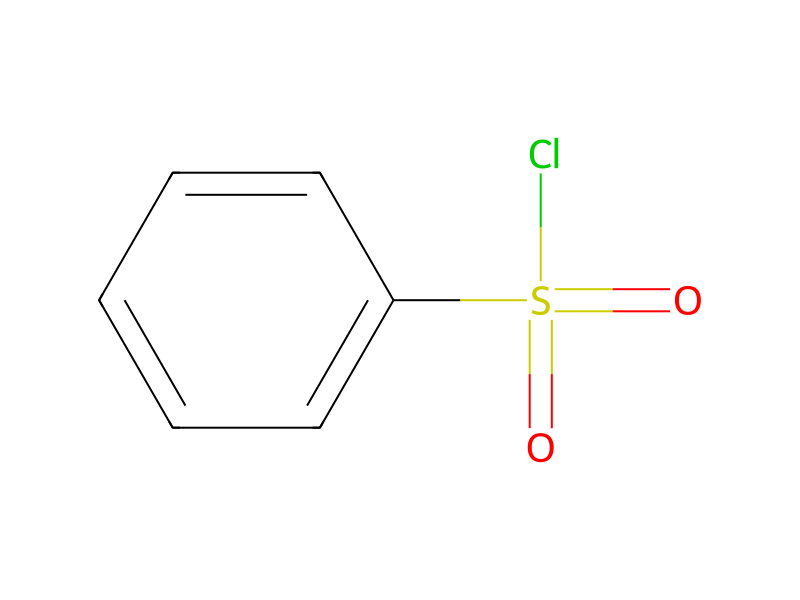
[C:1]([N:4]1[CH2:13][CH2:12][C:11]2[C:6](=[CH:7][CH:8]=[CH:9][C:10]=2[NH2:14])[CH2:5]1)(=[O:3])[CH3:2].N1C=CC=CC=1.[C:21]1([S:27](Cl)(=[O:29])=[O:28])[CH:26]=[CH:25][CH:24]=[CH:23][CH:22]=1>ClCCl>[C:1]([N:4]1[CH2:13][CH2:12][C:11]2[C:6](=[CH:7][CH:8]=[CH:9][C:10]=2[NH:14][S:27]([C:21]2[CH:26]=[CH:25][CH:24]=[CH:23][CH:22]=2)(=[O:29])=[O:28])[CH2:5]1)(=[O:3])[CH3:2]Participants
5




Procedure
To a stirred solution of 2-acetyl-5-amino-1,2,3,4-tetrahydroisoquinoline (6.6 g) in a mixture of dry pyridine (3 g) and dichloromethane (450 ml) at approximately 5° C. was added dropwise, over 15 minutes, benzenesulphonyl chloride (6.2 g). The orange solution was stirred overnight at room temperature and was then washed several times with water, dried and the solvent was then evaporated to give a dark orange oil. Crystallisation from 2-propanol gave 2-acetyl-5-phenylsulphonamido-1,2,3,4-tetrahydroisoquinoline as a pale pink solid (9.5 g) m.p. 131°-132° C.
Workup
- additionwas added dropwise, over 15 minutes
- washwas then washed several times with water
- customdried
- customthe solvent was then evaporated
- customto give a dark orange oil
- customCrystallisation from 2-propanol
Sources & evidence
- ORD record
- ord-87293aca5f094c7ba142a0ccfef0d8d5
- Source dataset
- uspto-grants-1989_03
- Patent number
- US04812573
Reaction notes
Loading…