2-Chloroquinoline → 10-(2-Quinolinyloxy)decan-1-ol
Reaction equation

[CH2:1]([OH:12])[CH2:2][CH2:3][CH2:4][CH2:5][CH2:6][CH2:7][CH2:8][CH2:9][CH2:10][OH:11].Cl[C:14]1[CH:23]=[CH:22][C:21]2[C:16](=[CH:17][CH:18]=[CH:19][CH:20]=2)[N:15]=1>>[N:15]1[C:16]2[C:21](=[CH:20][CH:19]=[CH:18][CH:17]=2)[CH:22]=[CH:23][C:14]=1[O:12][CH2:1][CH2:2][CH2:3][CH2:4][CH2:5][CH2:6][CH2:7][CH2:8][CH2:9][CH2:10][OH:11]Participants
3


Procedure
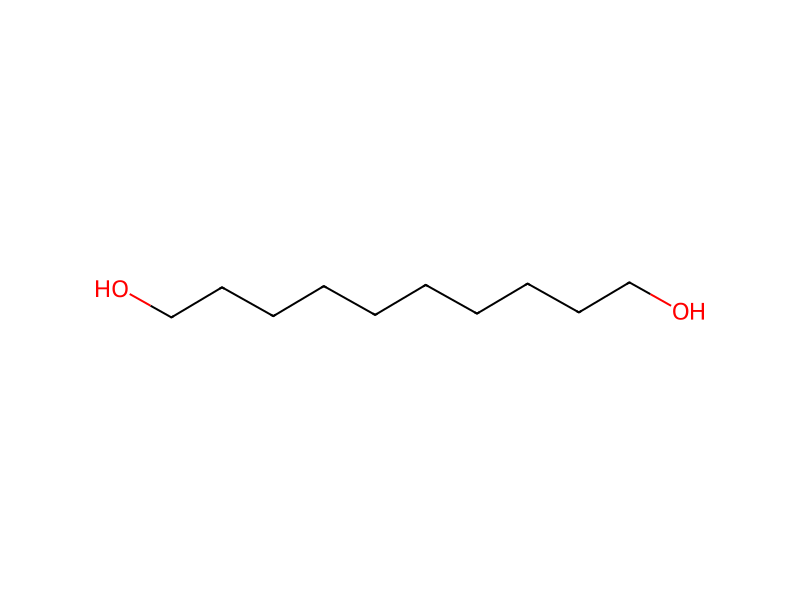
1,10-Decanediol (ex. Lancaster) was reacted with 2-chloroquinoline, by analogy with compound 33, step (i), to give 10-(2-quinolinyloxy)decan-1-ol. The latter was subjected to Swern oxidation (cf. example XIV) and the aldehyde reacted with ethyl fluoroacetate and diethyl oxalate to give (2Z) ethyl 2-fluoro-12-(2-quinoliny-loxy)dodec-2-enoate. The latter was converted to the title compound by analogy with compound 33, step (iv).
Sources & evidence
- ORD record
- ord-b79c46f172cc4915abfeeb2046e9c575
- Source dataset
- uspto-grants-1992_05
- Patent number
- US05114940
Reaction notes
Loading…