Tri-p-cresyl phosphate → Methyl methacrylate-butyl acrylate acrylic acid
Reaction equation

P([O:19][C:20]1[CH:25]=[CH:24][C:23](C)=CC=1)([O:11][C:12]1C=CC(C)=[CH:14][CH:13]=1)([O:3][C:4]1C=CC(C)=CC=1)=O.[C:27]1([CH3:34])[C:28](C)=CC=C[CH:32]=1.[CH2:35]([OH:39])[CH2:36][CH2:37]C>[O-2].[Zn+2]>[C:12]([OH:39])(=[O:11])[CH:13]=[CH2:14].[C:28]([O:3][CH3:4])(=[O:39])[C:27]([CH3:34])=[CH2:32].[C:35]([O:19][CH2:20][CH2:25][CH2:24][CH3:23])(=[O:39])[CH:36]=[CH2:37]Participants
4
Reactant 2


Product 1

Reagents, catalysts & solvents 1
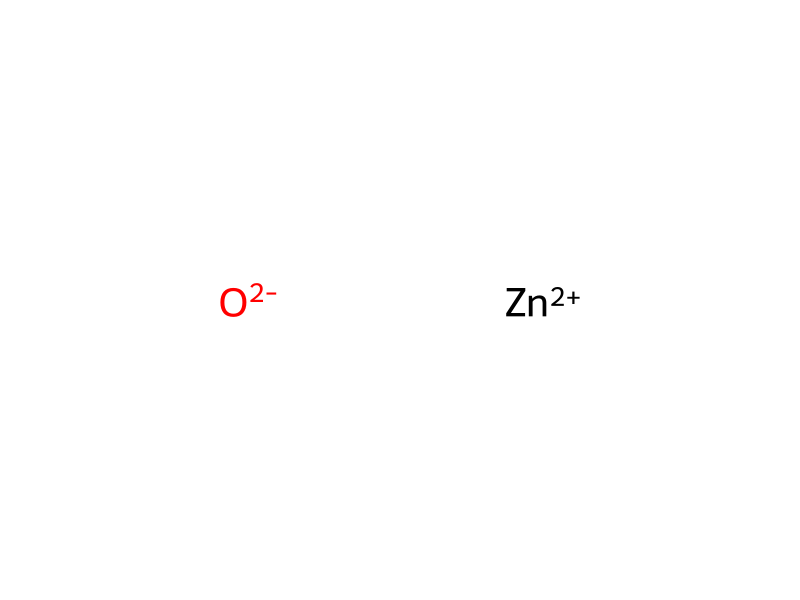
Procedure
A 30/20/50 copolymer of acrylic acid/methyl methacrylate/butyl acrylate was prepared in xylene/butanol solution as described in Example 7. Rosin Amine D was added to the copolymer in an amount equivalent to the acid groups in the polymer. The resulting solution was milled with pigments, plasticiser and structuring agents to form a paint containing, by volume, 30% copolymer amine salt, 18% cuprous oxide, 1.3% zinc oxide, 4% tricresyl phosphate and 2% structuring agents.
Workup
- customThe resulting solution was milled with pigments, plasticiser
- customto form a paint
Sources & evidence
- ORD record
- ord-732bb6c10b4247c1a97f7652055cce5b
- Source dataset
- uspto-grants-1992_05
- Patent number
- US05116407
Reaction notes
Loading…