Lead dioxide → 1,1-Bis(4-morpholinophenyl)ethylene
Reaction equation

[O:1]1[CH2:6][CH2:5][N:4]([C:7]2[CH:12]=[CH:11][C:10]([C:13]([C:18]3[CH:23]=[CH:22][C:21]([N:24]4[CH2:29][CH2:28][O:27][CH2:26][CH2:25]4)=[CH:20][CH:19]=3)(C)[C:14](O)=O)=[CH:9][CH:8]=2)[CH2:3][CH2:2]1.[Pb](=O)=O>C1(C)C=CC=CC=1>[O:27]1[CH2:28][CH2:29][N:24]([C:21]2[CH:20]=[CH:19][C:18]([C:13]([C:10]3[CH:11]=[CH:12][C:7]([N:4]4[CH2:3][CH2:2][O:1][CH2:6][CH2:5]4)=[CH:8][CH:9]=3)=[CH2:14])=[CH:23][CH:22]=2)[CH2:25][CH2:26]1Participants
4
Reactant 2
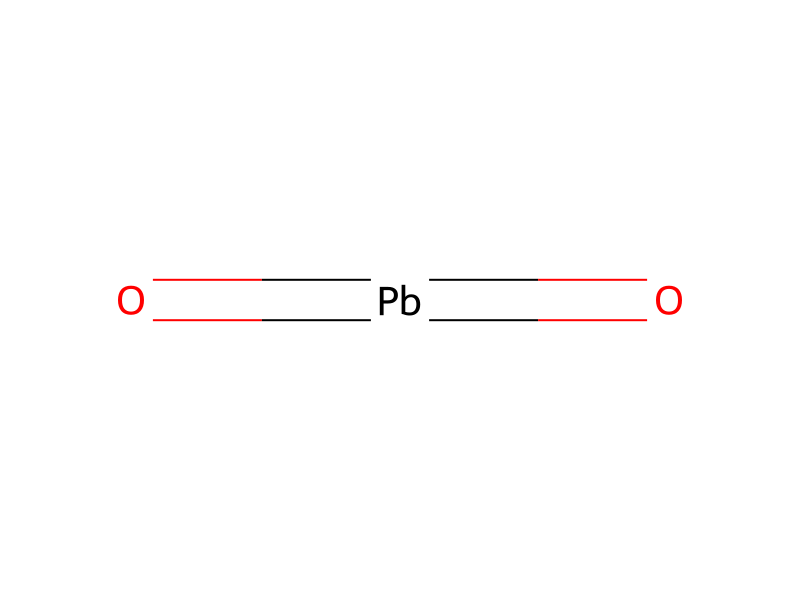

Product 1

Reagents, catalysts & solvents 1

Procedure
Into 200 ml of toluene was dissolved 10 g of 2,2-bis(4-morpholinophenyl)propionic acid. Thereto was added 7.2 g of lead dioxide and the mixture was reacted at reflux temperature with stirring for one hour. The lead compound was removed by filtration and the toluene layer was extracted with 200 ml of 3% aqueous solution of sodium hydroxide to recover the unreacted starting material. The remained toluene solution was concentrated at a reduced pressure to obtain crystals. The crystal was recrystallized from n-propanol to obtain 4.1 g (yield 46.3%) of 1,1-bis(4-morpholinophenyl)ethylene, having a melting point of 203°~205° C. The starting 2,2-bis(4-morpholinophenyl)propionic acid was recovered in an amount of 3.8 g.
Workup
- customthe mixture was reacted
- temperatureat reflux temperature
- customThe lead compound was removed by filtration
- extractionthe toluene layer was extracted with 200 ml of 3% aqueous solution of sodium hydroxide
- customto recover the
- concentrationThe remained toluene solution was concentrated at a reduced pressure
- customto obtain crystals
- customThe crystal was recrystallized from n-propanol
Sources & evidence
- ORD record
- ord-b83d69f3378c4e43b470d60f0c792f31
- Source dataset
- uspto-grants-1990_02
- Patent number
- US04898941
Reaction notes
Loading…