Gamma-Butyrolactone → 1(2H)-Naphthalenone, 3,4-dihydro-5,8-dimethyl-
Reaktionsgleichung

[CH3:1][C:2]1[CH:3]=[CH:4][C:5]([CH3:8])=[CH:6][CH:7]=1.[C:9]1(=O)[O:13][CH2:12][CH2:11][CH2:10]1>CC1C=CC(C)=CC=1>[CH3:1][C:2]1[CH:7]=[CH:6][C:5]([CH3:8])=[C:4]2[C:3]=1[CH2:9][CH2:10][CH2:11][C:12]2=[O:13]Komponenten
4
Edukt 2
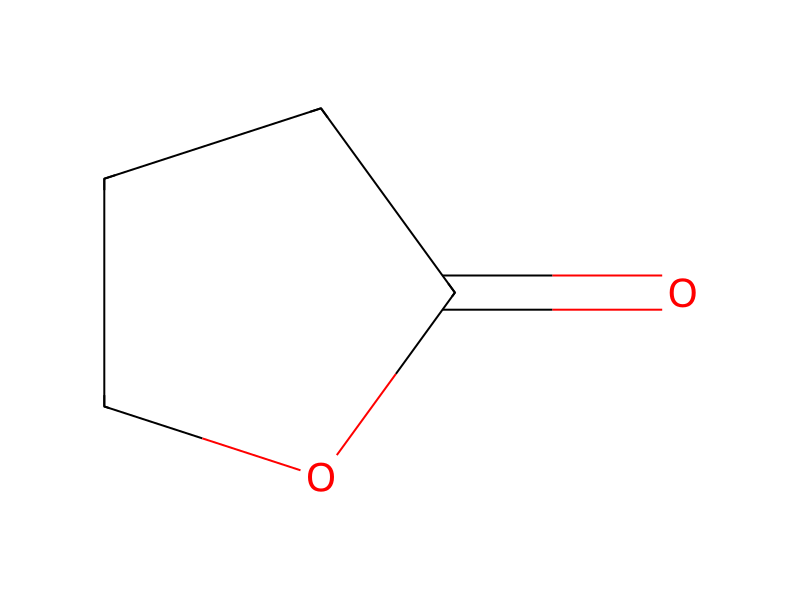

Produkt 1

Reagenzien, Katalysatoren, Lösungsmittel 1
Versuchsvorschrift
Using the same reactor as in Example 1, 3.20 g of the 10 wt % HSiW/SiO2 catalyst (0.097 mmol-HSiW) as the catalyst produced in Example 1, 100 ml of p-xylene (799 mmol) and 1 ml of γ-butyrolactone (14.8 mmol) were reacted at 196° C. for 3 hours to obtain 5,8-dimethyltetralone (yield based on γ-butyrolactone: 30.4%). After removing the supernatant by filtration, 100 ml of p-xylene (799 mmol) and 1 ml of γ-butyrolactone (14.8 mmol) as raw materials were charged again and then reacted at 196° C. for 3 hours. As a result, 5,8-dimethyltetralone (yield based on γ-butyrolactone: 23.2%) was obtained. The catalyst could be reused.
Aufarbeitung
- customwere reacted at 196° C. for 3 hours
Quellen und Nachweise
- ORD-Eintrag
- ord-3a433981ac74487b99cfa8db004a07d8
- Quelldatensatz
- uspto-grants-2006_10
- Patentnummer
- US07115782B2
Notizen zur Reaktion
Wird geladen…