Ammonia → HCID 69587602, compound
Reaction equation

[NH2:1][C:2]1[C:3]([OH:15])=[CH:4][CH:5]=[C:6]2[C:10]=1[N:9]([CH2:11][C@H:12]([OH:14])[CH3:13])[N:8]=[CH:7]2.[C:16]([O:22]C)(=O)[C:17](OC)=O.[NH3:24]>CO.O.C1(C)C=CC(S(OS(C2C=CC(C)=CC=2)(=O)=O)(=O)=O)=CC=1>[OH:14][C@H:12]([CH3:13])[CH2:11][N:9]1[C:10]2[C:2]3[N:1]=[C:17]([C:16]([NH2:24])=[O:22])[O:15][C:3]=3[CH:4]=[CH:5][C:6]=2[CH:7]=[N:8]1Participants
6




Procedure
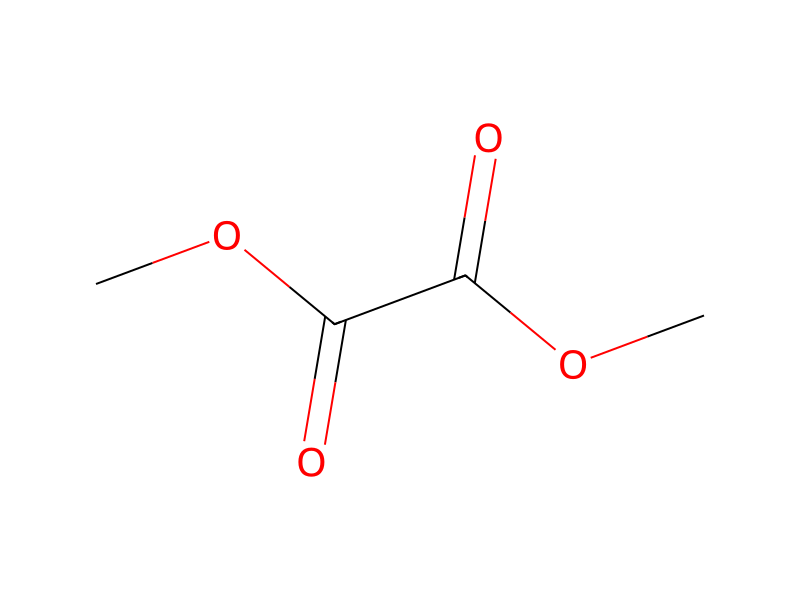
To a solution of the product from Step C (1.61 g, 7.76 mmol) in methanol (20 mL) was added dimethyl oxalate (9.16 g, 77.6 mmol), p-toluene sulfonic anhydride hydrate (50 mg), and the mixture was heated to distill off liquids with a bath temperature of 120° C. for 5 h. The dark residue was treated with methanolic ammonia (7 M, 22 mL, 0.15 mol) and heated at reflux temperature for 1 h. Additional ammonia (7 M in methanol, 20 mL) was added and heating continued for another hour. The reaction mixture was cooled to room temperature, filtered, and evaporated to a brown solid that was purified by chromatography to give a tan solid (0.91 g, 45%): LC/MS m/z 279.
Workup
- temperaturethe mixture was heated
- distillationto distill off liquids with a bath temperature of 120° C. for 5 h
- temperatureheated
- temperatureat reflux temperature for 1 h
- temperatureheating
- waitcontinued for another hour
- filtrationfiltered
- customevaporated to a brown solid that
- customwas purified by chromatography
Sources & evidence
- ORD record
- ord-8a1a0e82f3db4c6a92f2d0b70c202fc7
- Source dataset
- uspto-grants-2006_10
- Patent number
- US07129257B1
Reaction notes
Loading…