Methanesulfonic Acid → 7-Bromo-1,2,3,4-tetrahydroquinolin-2-one
Reaction equation

[Br:1][C:2]1[CH:10]=[C:9]2[C:5]([CH2:6][CH2:7][C:8]2=[O:11])=[CH:4][CH:3]=1.CS(O)(=O)=O.[N-:17]=[N+]=[N-].[Na+].O.N>CCOC(C)=O.CCCCCC.O.C(Cl)(Cl)Cl>[Br:1][C:2]1[CH:10]=[C:9]2[C:5]([CH2:6][CH2:7][C:8](=[O:11])[NH:17]2)=[CH:4][CH:3]=1Participants
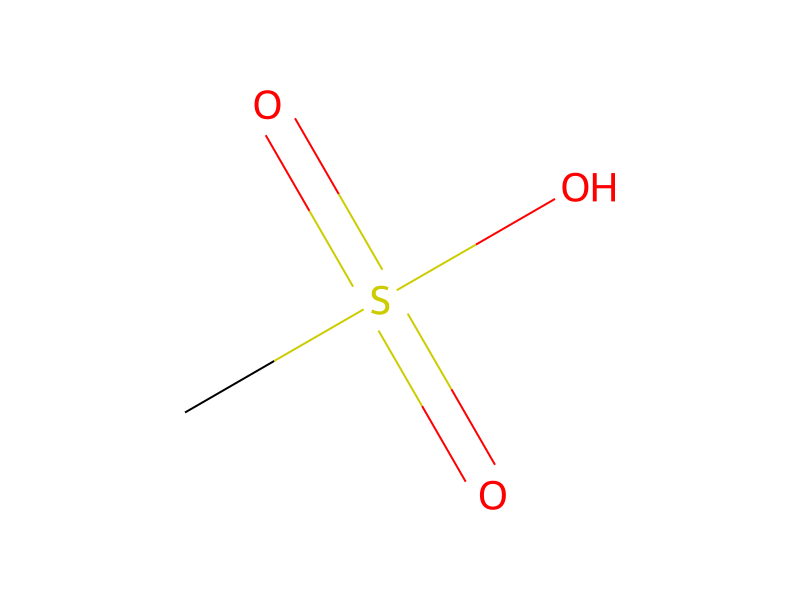






Procedure
To the CHCl3 solution (560 mL) of the compound (39.5 g) obtained in Step 1-1 and methanesulfonic acid (122 mL), sodium azide (36.5 g) was added separately in parts under ice cooling, and then the mixture was heated to reflux for 2.5 hours. To H2O (400 mL), the reaction mixture was added under ice cooling, adjusted to pH 9 with 28% ammonia water and extracted with CHCl3 three times. The combined organic layers were dried over Na2SO4 and concentrated under reduced pressure. Thereafter, the residue was purified by column chromatography (silica gel 60 N, mobile phase: EtOAc/hexane=50/50 to 75/25; v/v). The solid substance obtained was suspended in a solution of EtOAc/hexane (1/1; v/v) and the mixture was stirred at room temperature for one hour. A solid substance was obtained by filtration to give 7-bromo-3,4-dihydroquinolin-2(1H)-one (15.5 g, a light yellow solid).
Workup
- temperaturethe mixture was heated
- temperatureto reflux for 2.5 hours
- extractionextracted with CHCl3 three times
- dry with materialThe combined organic layers were dried over Na2SO4
- concentrationconcentrated under reduced pressure
- customThereafter, the residue was purified by column chromatography (silica gel 60 N, mobile phase: EtOAc/hexane=50/50 to 75/25; v/v)
- customThe solid substance obtained
- customA solid substance was obtained by filtration
Sources & evidence
- ORD record
- ord-e71850db1c1547f9aa2619a1438969a6
- Source dataset
- uspto-grants-2013_06
- Patent number
- US08461182B2
Reaction notes
Loading…