Methanol → HCID 15396982, compound
Reaction equation

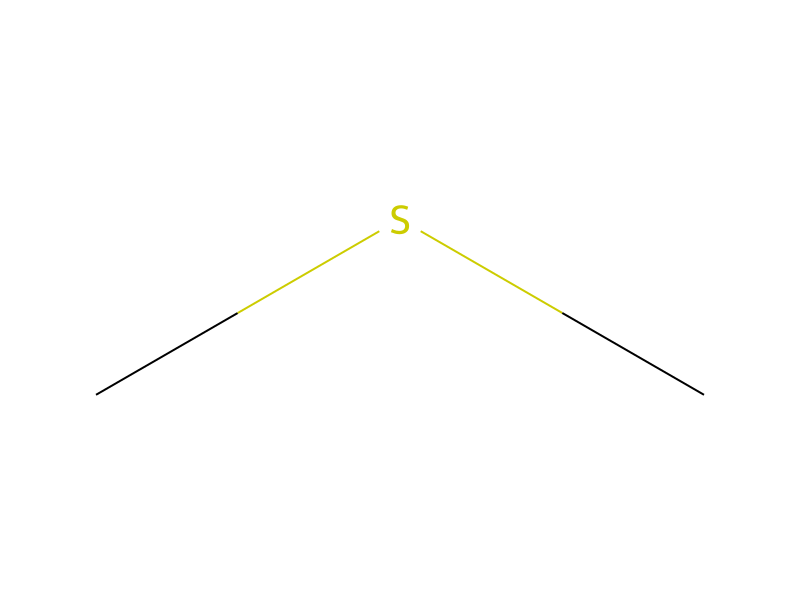
[CH3:1][O:2][C:3]1C[CH:7]=[CH:6][CH2:5][CH:4]=1.[O:9]=[O+][O-].CSC.[BH4-].[Na+].[CH3:17][OH:18]>>[OH:18][CH2:17][CH2:7]/[CH:6]=[CH:5]\[CH2:4][C:3]([O:2][CH3:1])=[O:9]Participants





Procedure
The compounds of this invention represented by formula II are conveniently prepared by treatment of 1-methoxy-1,4-cyclohexadiene with successively ozone and methanol, dimethyl sulfide and sodium borohydride to afford methyl 6-hydroxy-(Z)-3-hexenoate. The methyl 6-hydroxy-(Z)-3-hexanoate is then converted to a protected ether, suitably either a tetrahydroxypyranyl or triethylsilyl ether. This may be achieved by reaction with 3,4-dihydropyran and pyridinium p-toluenesulfonate in methylene chloride to give methyl 6-tetrahydropyranyloxy-(Z)-3-hexenoate, which is further treated with a reducing agent such as lithium aluminum hydride to afford 6-tetrahydropyranyloxy-(Z)-3-hexen-1-ol. The latter compound is converted to the corresponding terminal iodide or bromide, 1-iodo-6-tetrahydropyranyloxy-(Z)-3-hexene is formed by reaction with p-toluenesulfonyl chloride, followed by sodium iodide. Alternately, the 6-tetrahydropyranyloxy-(Z)-3-hexen-1-ol can be converted to the corresponding bromide. Either the bromide or iodide is then reacted with triphenyl phosphine to form the 6-tetrahydropyranyloxy-(Z)-3-hexen-1-triphenylphosphonium iodide (or bromide). This iodide or bromide is then reacted with an omega hydroxy aldehyde of the formula VII ##STR1## wherein n is as hereinbefore defined, to form the intermediate of the formula VIII ##STR2## wherein n and Pr are as hereinbefore defined.
Sources & evidence
- ORD record
- ord-44b88d9553d2452e97398bca476341f4
- Source dataset
- uspto-grants-1984_06
- Patent number
- US04455441
Reaction notes
Loading…