Nitric Acid → Methyl 1-methyl-4-nitro-1H-pyrrole-2-carboxylate
Reaction equation

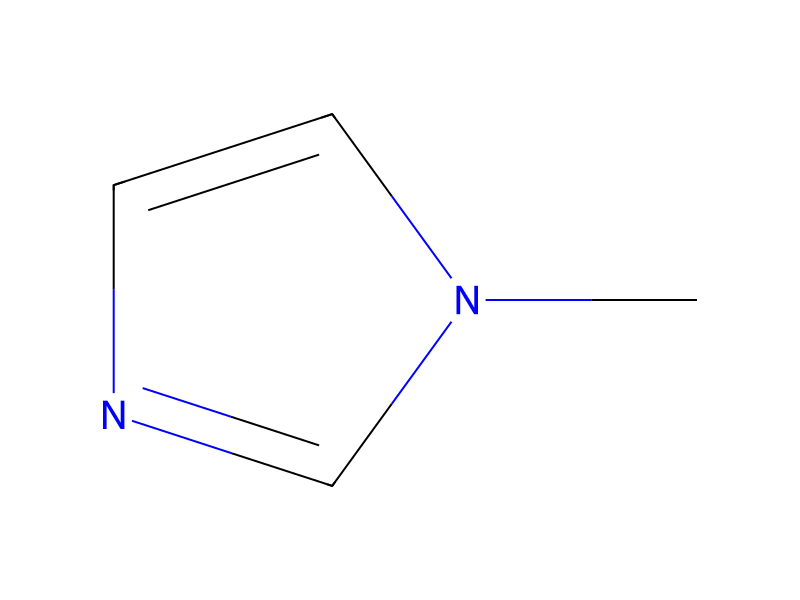
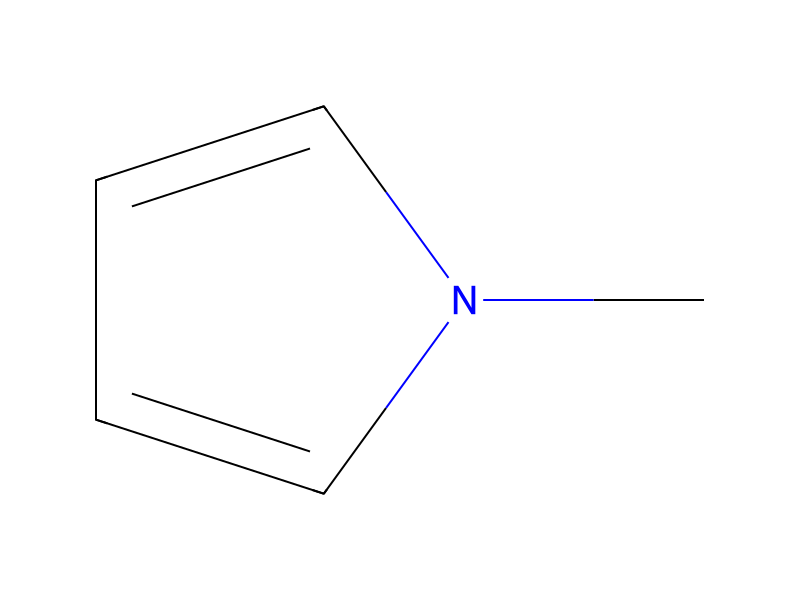
[C:1]([O:5][C:6](NC1C=C(C(ON2C3C=CC=CC=3N=N2)=O)N(C)C=1)=[O:7])(C)(C)C.CN1C=CN=C1.[CH3:33][N:34]1[CH:38]=[CH:37][CH:36]=[CH:35]1.ClC(Cl)(Cl)C(Cl)=O.[N+:46]([O-])([OH:48])=[O:47]>>[CH3:33][N:34]1[CH:38]=[C:37]([N+:46]([O-:48])=[O:47])[CH:36]=[C:35]1[C:6]([O:5][CH3:1])=[O:7]Participants
6




Procedure
Nitroesters 6 and 10 were synthesized from the inexpensive N-methylpyrrole and N-methylimidazole as outlined in Schemes 10 and 11, respectively. Each of these compounds can be prepared economically on a large scale. Methyl 1-methyl-4-nitropyrrole-2-carboxylate (6) was prepared using a modification of the reported synthesis of pyrrole-2-trichloroketone. (Bailey et al. (1971) Org. Syn. 51:101). Briefly. reaction of the inexpensive N-methylpyrrole (14) with trichloroacetylchloride followed by nitration with nitric acid gave nitropyrrole trichloroketone (15), which was treated with sodium methoxide to yield nitropyrrole (6).
Workup
- customEach of these compounds can be prepared economically on a large scale
Sources & evidence
- ORD record
- ord-103c24427ec046108c0d02c4ba87cb6f
- Source dataset
- uspto-grants-2003_04
- Patent number
- US06545162B1
Reaction notes
Loading…