Ethyl bromopyruvate → 2-Amino-1-carbethoxycarbonylmethyl-3-chloroquinoxalinium bromide
Reaction equation

[NH2:1][C:2]1[C:11]([Cl:12])=[N:10][C:9]2[C:4](=[CH:5][CH:6]=[CH:7][CH:8]=2)[N:3]=1.[Br:13][CH2:14][C:15](=[O:21])[C:16]([O:18][CH2:19][CH3:20])=[O:17]>C(COC)OC>[Br-:13].[C:16]([C:15]([CH2:14][N+:3]1[C:4]2[C:9](=[CH:8][CH:7]=[CH:6][CH:5]=2)[N:10]=[C:11]([Cl:12])[C:2]=1[NH2:1])=[O:21])([O:18][CH2:19][CH3:20])=[O:17]Participants
4
Reactant 2
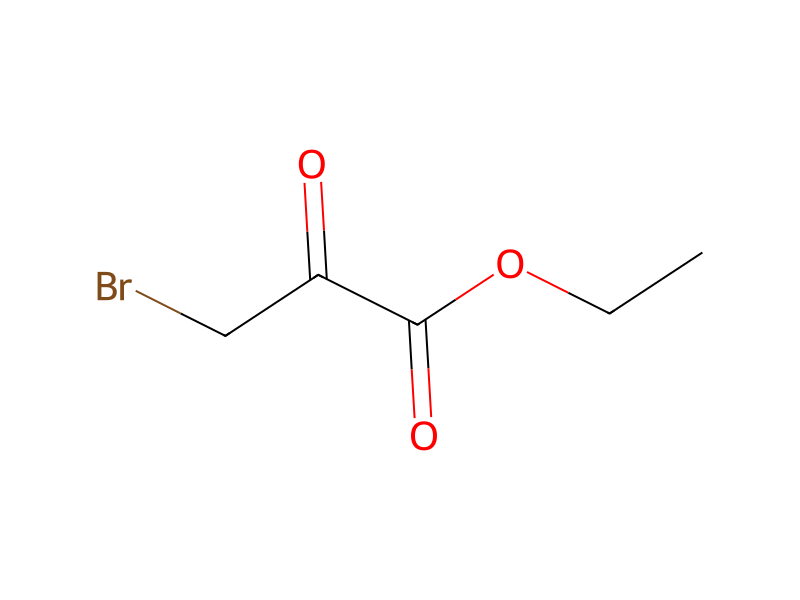

Product 1

Reagents, catalysts & solvents 1

Procedure
A solution of 9 g of 2-amino-3-chloro-quinoxaline, 12 g of ethyl bromopyruvate and 180 ml of dimethoxyethane was stirred overnight and was then filtered to obtain 5.33 g of 1-carbethoxycarbonylmethyl-2-amino-3-chloro-quinoxalinium bromide as a pale yellow crystalline solid. The filtrate was stirred in the refrigerator for 2 days to obtain two additional yields of 1.20 g and 3.62 g of the product for a total yield of 10.22 g.
Workup
- filtrationwas then filtered
Sources & evidence
- ORD record
- ord-beeca50e474f420d94098fc390a929da
- Source dataset
- uspto-grants-1981_03
- Patent number
- US04254123
Reaction notes
Loading…