Phthalic Anhydride → Naphthalene
Reaction equation

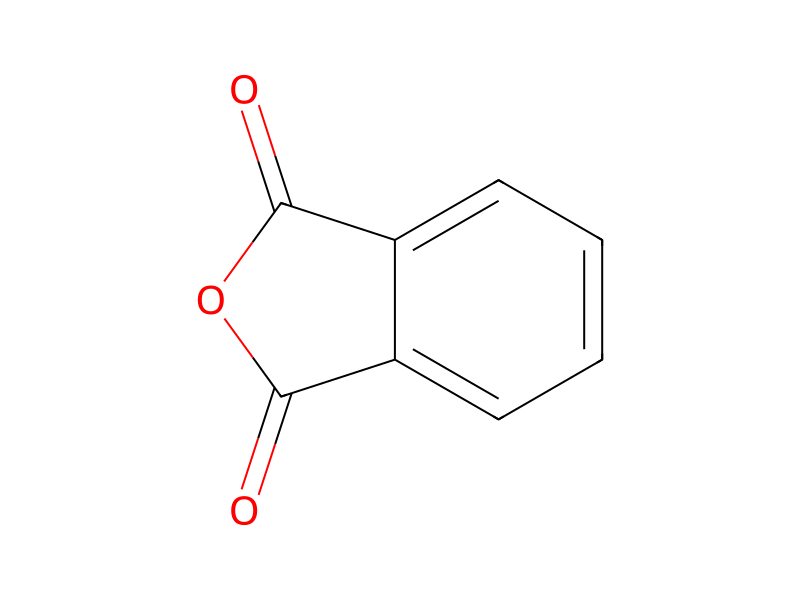
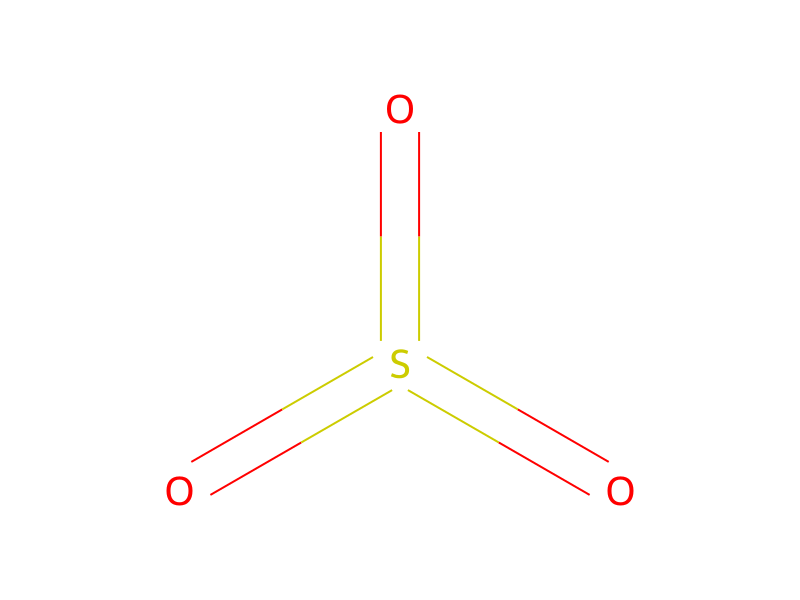
[CH:1]1[CH:2]=[CH:3][C:4]2[C:11](=O)[CH:10]=[CH:9][C:7](=O)[C:5]=2[CH:6]=1.C1(=O)OC(=O)C2=CC=CC=C12.C1(=O)OC(=O)C=C1.S(=O)(=O)=O>>[CH:6]1[C:5]2[C:4](=[CH:11][CH:10]=[CH:9][CH:7]=2)[CH:3]=[CH:2][CH:1]=1Participants



Procedure
The gas containing naphthoquinone, phthalic anhydride, maleic anhydride, sulfur trioxide and the unreacted naphthalene which is obtained by the catalytic gas phase oxidation of naphthalene is cooled to about 180° to 300° C. and is fed into a scrubber water washing type collector such as a spraying tower or a bubbling tower and is usually contacted with a collecting water at 30° to 70° C. so as to collect them as an aqueous slurry of phthalic acid and naphthoquinone, each at concentration of 1 to 30 wt.%. A constant quantity of the aqueous slurry is held at the bottom of the collector tower. A part of the aqueous slurry is discharged and treated by the conventional separation of naphthoquinone and phthalic acid, for example, the process for extracting naphthoquinone with an organic solvent such as toluene and xylene by heating the discharged aqueous slurry to separate naphthoquinone from the water phase containing phthalic acid and crystallizing phthalic acid by cooling the water phase and filtering it. The filtrate is recycled as the collecting water. Before the recycling, it is preferable to neutralize sulfuric acid and maleic acid.
Sources & evidence
- ORD record
- ord-95bed240707846a4824f172d6bade0cd
- Source dataset
- uspto-grants-1981_07
- Patent number
- US04277257
Reaction notes
Loading…