Benzene → Propanal
Reaction equation

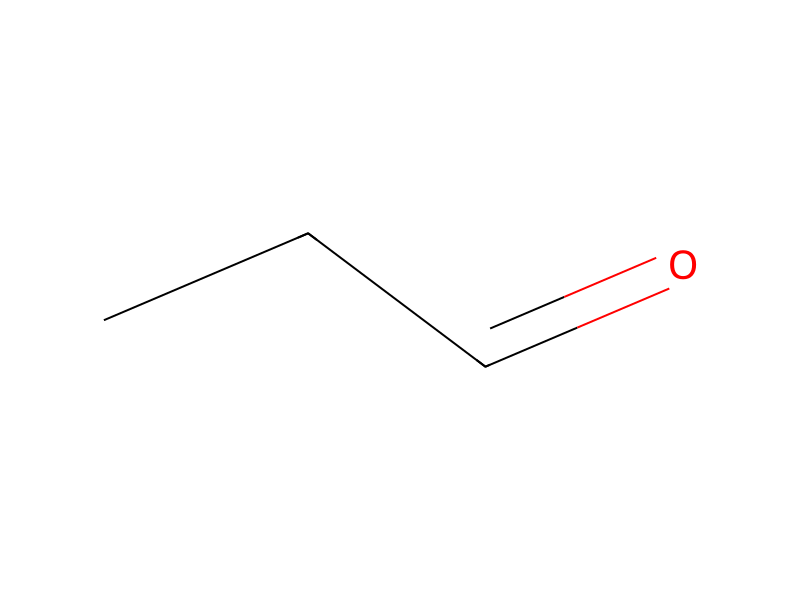
[C:1]([O-:4])(=O)[CH3:2].[C:5]([O-])(=O)C.[C:9]([O-:12])(=[O:11])[CH3:10].[C:13]([O-:16])(=O)[CH3:14].[Pb+4].[CH:18]1C=CC=CC=1.C(O)(=O)C=O>O>[CH:1](=[O:4])[CH2:2][CH3:5].[CH:13](/[C:14](/[CH3:18])=[CH:10]\[C:9]([OH:12])=[O:11])=[O:16]Participants
6
Reactant 3

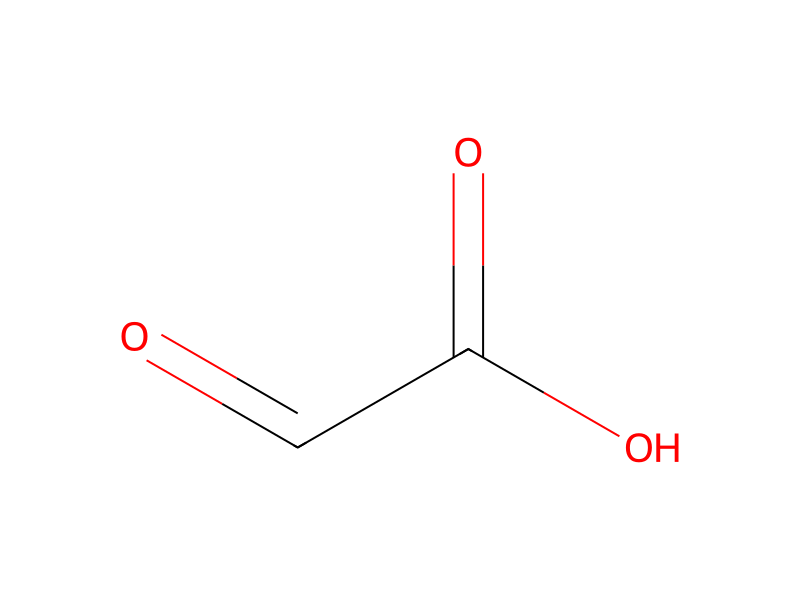

Product 2

Reagents, catalysts & solvents 1

Procedure
Compounds of formula III where n is zero and B is an oxo group can be prepared, for example, by oxidatively cleaving an optionally esterified tartaric acid; for example, using lead tetraacetate at room temperature in an organic solvent such as benzene. The resulting glyoxalic acid derivative is subsequently condensed in a conventional manner, e.g., conveniently in the presence of an amine, with propionaldehyde at an elevated temperature, e.g., at a temperature between 60° C. and 110° C. with water cleavage to yield the corresponding 3-formyl-crotonic acid derivative.
Workup
- customat room temperature
- customcondensed in a conventional manner, e.g.
Sources & evidence
- ORD record
- ord-ae9c3edcc6a9428c8075532195572c2a
- Source dataset
- uspto-grants-1981_03
- Patent number
- US04256878
Reaction notes
Loading…