Phosphoric Acid → Carbon Dioxide
Reaction equation

P(=O)(O)(O)O.[S:6](=[O:10])(=[O:9])([OH:8])[OH:7].[C:11](=O)([O-:13])[O-:12].[Ca+2:15]>[O-]P([O-])([O-])=O.[O-]P([O-])([O-])=O.[O-]P([O-])([O-])=O.[F-].[Ca+2].[Ca+2].[Ca+2].[Ca+2].[Ca+2]>[S:6]([O-:10])([O-:9])(=[O:8])=[O:7].[Ca+2:15].[C:11](=[O:13])=[O:12]Participants
Reactant 3


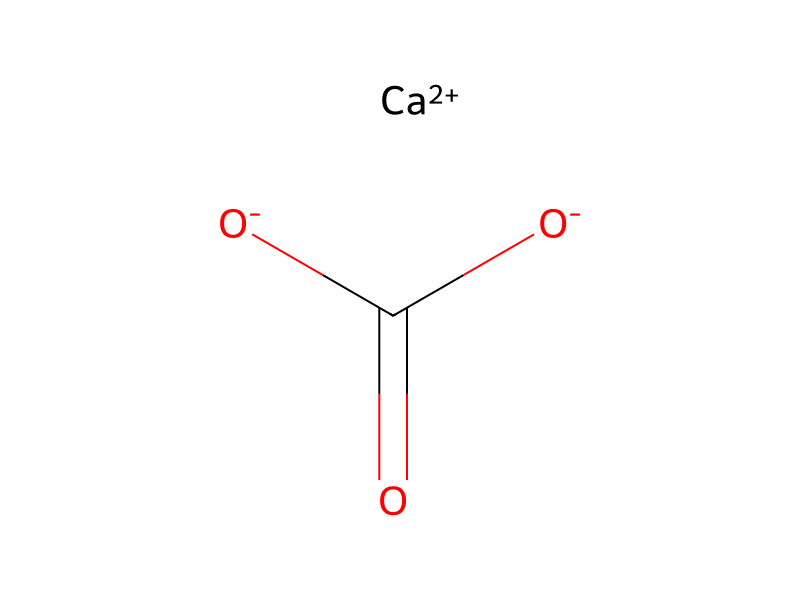
Product 2


Reagents, catalysts & solvents 1

Procedure
FIG. 4 shows another version of the present invention wherein the dissolving zone comprises two vessels. In this version, wet screened phosphate rock 60 is transferred to a rock reslurry tank 62 where it is mixed with recycled phosphoric acid 64 which contains free sulfuric acid. In this tank 62, calcium carbonate in phosphate rock reacts with free sulfuric acid in the recycle phosphoric acid forming calcium sulfate and carbon dioxide, and raising the slurry temperature to approximately 70° C. Practically all of the carbon dioxide formed is removed in this tank via vent 66. Defoamer 68 is added to the tank 62 as needed to control foaming. The rock reslurry tank can have a capacity, for example, of 17,200 gallons, and is equipped with an agitator 69.
Sources & evidence
- ORD record
- ord-edc8159a1b0347ecbefe6c6cfc384b64
- Source dataset
- uspto-grants-1981_07
- Patent number
- US04277448
Reaction notes
Loading…