Propylene Oxide → Ethyl 5-bromoimidazo-[1,2-a]-quinoline-2-carboxylate
Reaction equation

[NH2:1][C:2]1[CH:11]=[C:10]([Br:12])[C:9]2[C:4](=[CH:5][CH:6]=[CH:7][CH:8]=2)[N:3]=1.Br[CH2:14][C:15](=O)[C:16]([O:18][CH2:19][CH3:20])=[O:17].C1OC1C>C(COC)OC>[Br:12][C:10]1[C:9]2[C:4](=[CH:5][CH:6]=[CH:7][CH:8]=2)[N:3]2[CH:14]=[C:15]([C:16]([O:18][CH2:19][CH3:20])=[O:17])[N:1]=[C:2]2[CH:11]=1Participants
Reactant 3

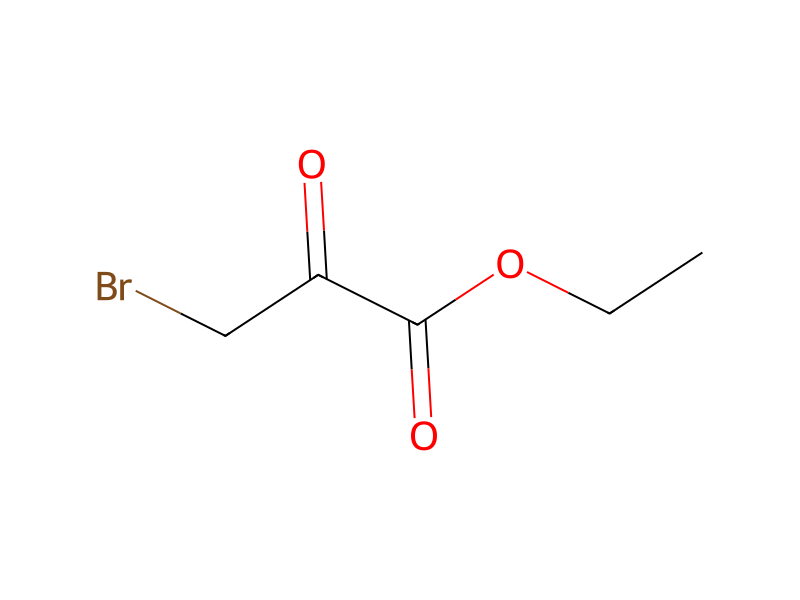

Product 1

Reagents, catalysts & solvents 1

Procedure
1 g of 2-amino-4-bromoquinoline was dissolved in 20 ml of dimethoxyethane and a mixture of 1.5 g of ethyl bromopyruvate and 0.5 g of propylene oxide was added thereto. The solution was allowed to stand at room temperature for 1 hour and the quaternary salt thus precipitated was filtered off, was washed with ether and then was dissolved in 20 ml of ethanol. The solution was refluxed for 1 hour, cooled and then was evaporated to dryness under vacuum. The residue was partitioned between 50 ml of chloroform and 50 ml of 2 N sodium carbonate and the organic extract was washed with 50 ml of water, was dried over MgSO4, and was reduced in volume under vacuum. Then, ether was added thereto to give cream needles of ethyl 5-bromoimidazo-[1,2-a]-quinoline-2-carboxylate melting at 205°-207° C.
Workup
- additionwas added
- customthe quaternary salt thus precipitated
- filtrationwas filtered off
- washwas washed with ether
- dissolutionwas dissolved in 20 ml of ethanol
- temperatureThe solution was refluxed for 1 hour
- temperaturecooled
- customwas evaporated to dryness under vacuum
- customThe residue was partitioned between 50 ml of chloroform and 50 ml of 2 N sodium carbonate
- extractionthe organic extract
- washwas washed with 50 ml of water
- dry with materialwas dried over MgSO4
- additionThen, ether was added
Sources & evidence
- ORD record
- ord-d5aba955bfc34ba0b11ccd5bb94f10c6
- Source dataset
- uspto-grants-1981_07
- Patent number
- US04279912
Reaction notes
Loading…