Thionyl Chloride → N-(2-hydroxy-5-nitrophenyl)-2-bromo-5-methyl-3-thiophenecarboxamide
Reaction equation

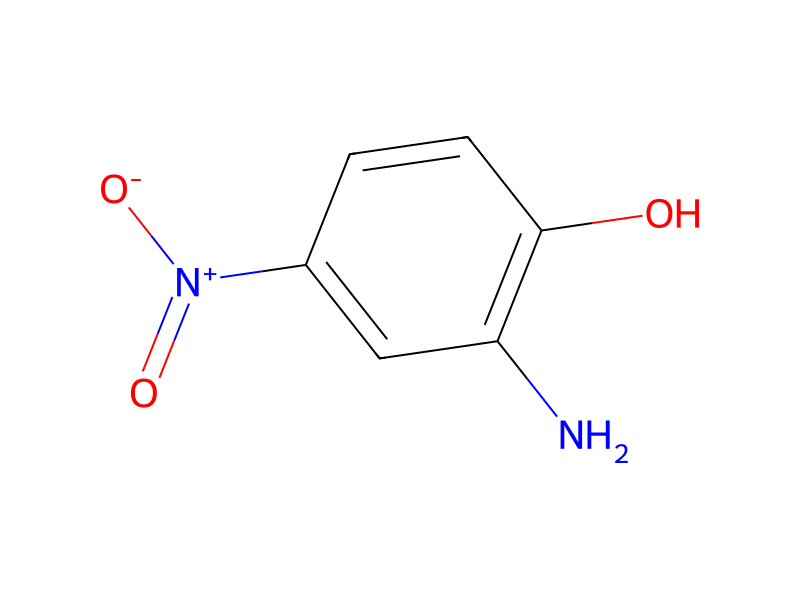
[Br:1][C:2]1[S:3][C:4]([CH3:10])=[CH:5][C:6]=1[C:7]([OH:9])=O.S(Cl)(Cl)=O.[NH2:15][C:16]1[CH:21]=[C:20]([N+:22]([O-:24])=[O:23])[CH:19]=[CH:18][C:17]=1[OH:25]>>[OH:25][C:17]1[CH:18]=[CH:19][C:20]([N+:22]([O-:24])=[O:23])=[CH:21][C:16]=1[NH:15][C:7]([C:6]1[CH:5]=[C:4]([CH3:10])[S:3][C:2]=1[Br:1])=[O:9]Participants
4



Procedure
In the same manner as in Starting Material Synthesis Example 67 and using 2-bromo-5-methyl-3-thiophenecarboxylic acid, thionyl chloride and 2-amino-4-nitrophenol, N-(2-hydroxy-5-nitrophenyl)-2-bromo-5-methyl-3-thiophenecarboxamide is obtained.
Workup
- customMaterial Synthesis Example 67
Sources & evidence
- ORD record
- ord-a3d3520bf065485d89ad0b862e94dbe5
- Source dataset
- uspto-grants-2002_09
- Patent number
- US06455521B1
Reaction notes
Loading…