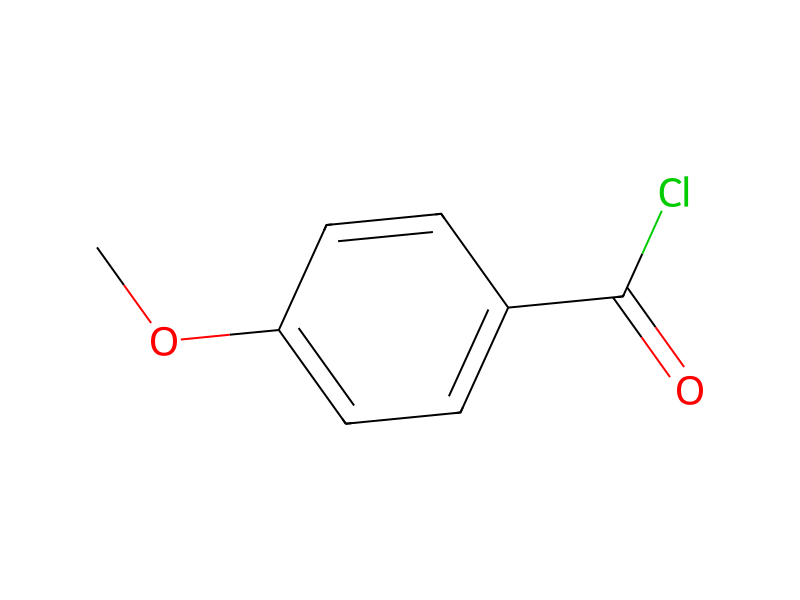
p-Anisoyl chloride → Pyridinium chloride
Reaction equation

[N+:1]([C:4]1[CH:19]=[CH:18][C:7]([CH2:8][C:9]2[O:10][C:11]3[CH:17]=[CH:16][CH:15]=[CH:14][C:12]=3[CH:13]=2)=[CH:6][CH:5]=1)([O-:3])=[O:2].[C:20]([Cl:30])(=[O:29])[C:21]1[CH:26]=[CH:25][C:24]([O:27]C)=[CH:23][CH:22]=1>>[ClH:30].[N:1]1[CH:4]=[CH:5][CH:6]=[CH:7][CH:18]=1.[OH:27][C:24]1[CH:25]=[CH:26][C:21]([C:20]([C:13]2[C:12]3[CH:14]=[CH:15][CH:16]=[CH:17][C:11]=3[O:10][C:9]=2[CH2:8][C:7]2[CH:6]=[CH:5][C:4]([N+:1]([O-:3])=[O:2])=[CH:19][CH:18]=2)=[O:29])=[CH:22][CH:23]=1Participants
4



Procedure
2-(4'-Nitrobenzyl)benzofuran is acylated with anisoyl chloride as described in Example 10. Demethylation with pyridine hydrochloride as previously described gives 3-(4'-hydroxybenzoyl)-2-(4'-nitrobenzyl)benzofuran.
Sources & evidence
- ORD record
- ord-7c10c60cbbdb40aa9d84b6a4d3b17631
- Source dataset
- uspto-grants-1976_08
- Patent number
- US03975537
Reaction notes
Loading…