Acetate → 23,23-difluoro-25-hydroxyvitamin D3
Reaction equation

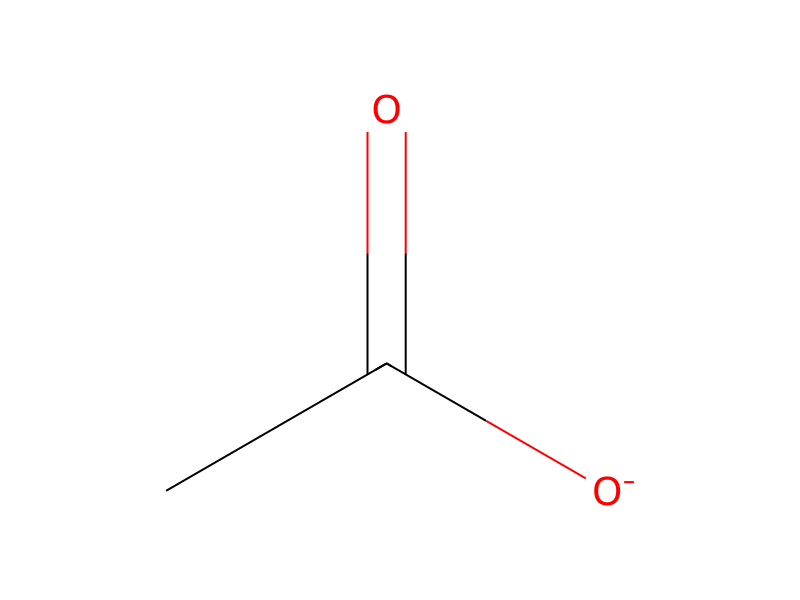
[F:1][C:2]([F:37])([CH2:8][C@H:9]([C@@H:11]1[C@:29]2([CH3:30])[C@H:14]([C@H:15]3[C@H:26]([CH2:27][CH2:28]2)[C@:24]2([CH3:25])[C:18]([CH2:19][C@@:20](C4CCCCO4)([CH2:22][CH2:23]2)[OH:21])=[CH:17][CH2:16]3)[CH2:13][CH2:12]1)[CH3:10])[CH2:3][C:4]([OH:7])([CH3:6])[CH3:5].C([O-])(=O)C>N1C(C)=CC(C)=CC=1C>[CH3:10][CH:9]([CH:11]1[C:29]2([CH3:30])[CH2:28][CH2:27][CH2:26]/[C:15](=[CH:16]/[CH:17]=[C:18]3/[CH2:19][CH:20]([OH:21])[CH2:22][CH2:23][C:24]/3=[CH2:25])/[CH:14]2[CH2:13][CH2:12]1)[CH2:8][C:2]([F:1])([F:37])[CH2:3][C:4]([OH:7])([CH3:5])[CH3:6]Participants
Reactant 2

Product 1

Reagents, catalysts & solvents 1

Procedure
The steroid i ether (1) is oxidized to the C-22 aldehyde by pyridium chlorochromate or other suitable alcohol oxidizing reagent. This C-22 aldehyde is converted to a silyl ether carboxy ester (3) by a Wittig type condensation. Hydrolysis in acetic acid and TsOH afford the corresponding C-23α keto methyl ester and converts the i ether to the 3 acetoxy function (4). The ketone is fluorinated with DAST (diethyl amino sulfur trifluoride) to provide the C-23 difluoro carboxymethyl-3 acetate. Hydrolysis of the acetoxy group and treatment with 2,3 dihydropyan and TsOH gave the 3-THP protected difluoro 24 ester. Reduction with Li aluminum hydride produced the C-24 alcohol (7). Treatment of this alcohol with a mixture of trifluoromethanesulfonic anhydride and pyridine provides the trifluoromethanesulfonyl ester which undergoes a malonic ester condensation to yield the C-26,27 diethyl ester (9). N chloro succinimide is used to convert (9) to the C-25 chloro derivative (10) which, upon reduction with lithium aluminum hydride, affords the C-26,27 chlorodialcohol (11). Treatment of that chlorodiol with sodium hydride in dimethoxyethane yields the 25,26 expoxy 26-alcohol (12). Treatment with methanesulfonyl chloride and triethylamine provided the mesylate that upon reduction with lithium aluminum hydride yielded 23,23-difluoro,25-hydroxyl-3β tetrahydropyranyl cholesterol (13) that was converted to the acetate (14). This compound was then converted to the 5,7-diene using the usual allylic bromination followed by dehydrobromination in collidine. This dien was then photolyzed to provide the corresponding previtamin which during the temperatures of work up result in the 23,23-difluoro-25-hydroxyvitamin D3 (16). ##STR1##
Workup
- customto provide the corresponding previtamin which during the temperatures of work
Sources & evidence
- ORD record
- ord-3d197991af1f481fa6ceeb563fe8eae8
- Source dataset
- uspto-grants-1986_01
- Patent number
- US04564474
Reaction notes
Loading…