Sulfuric Acid → Caprolactam
Reaction equation

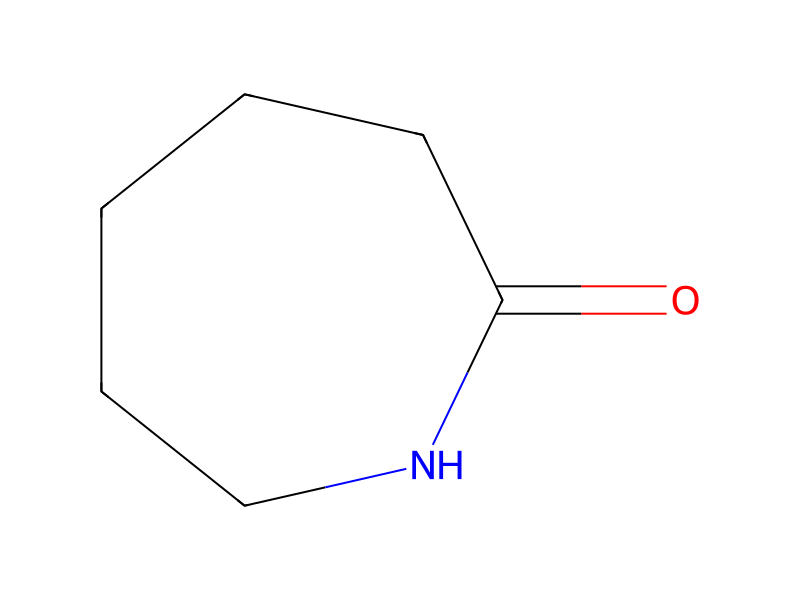
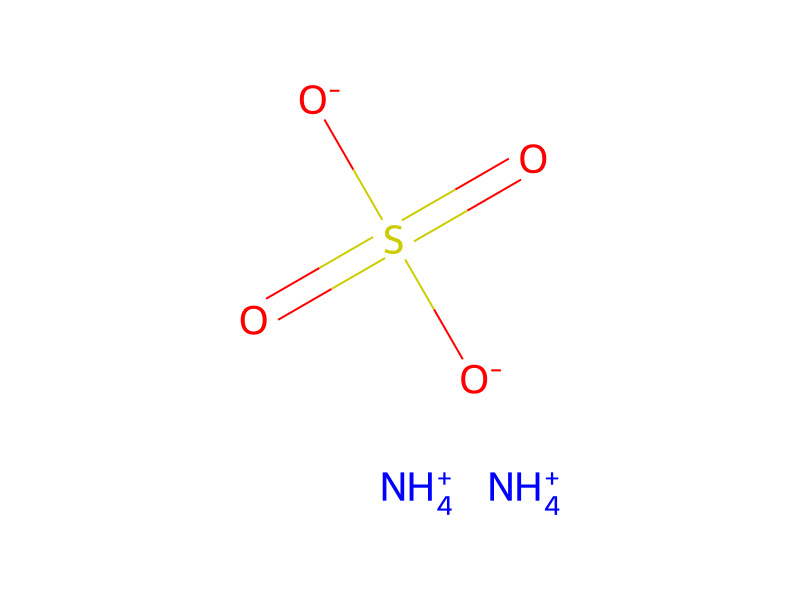
[C:1]1(=[N:7]O)[CH2:6][CH2:5][CH2:4][CH2:3][CH2:2]1.[S:9](=[O:13])(=[O:12])([OH:11])[OH:10]>>[C:1]1(=[O:10])[NH:7][CH2:2][CH2:3][CH2:4][CH2:5][CH2:6]1.[S:9]([O-:13])([O-:12])(=[O:11])=[O:10].[NH4+:7].[NH4+:7]Participants
4


Procedure
A precursor material for cyclohexanone oxime is cyclohexanone. Precursor materials for cyclohexanone can include cyclohexane, phenol, and benzene. Accordingly, the first step (or steps) in the production of ε-caprolactam is often a series of reductions and oxidations to form cyclohexanone from cyclohexane, phenol, or benzene. Cyclohexanone thus produced is next reacted with a hydroxylamine salt, usually the sulfate, to form cyclohexanone oxime and ammonium sulfate. The oxime is then rearranged in concentrated sulfuric acid, and the resulting lactam sulfate salt is hydrolyzed to form ε-caprolactam and additional ammonium sulfate.
Sources & evidence
- ORD record
- ord-6b01fd72482e4f7db6ca24d538f437af
- Source dataset
- uspto-grants-2007_07
- Patent number
- US07238804B2
Reaction notes
Loading…