Pyridine → HCID 69199446, compound
Reaction equation

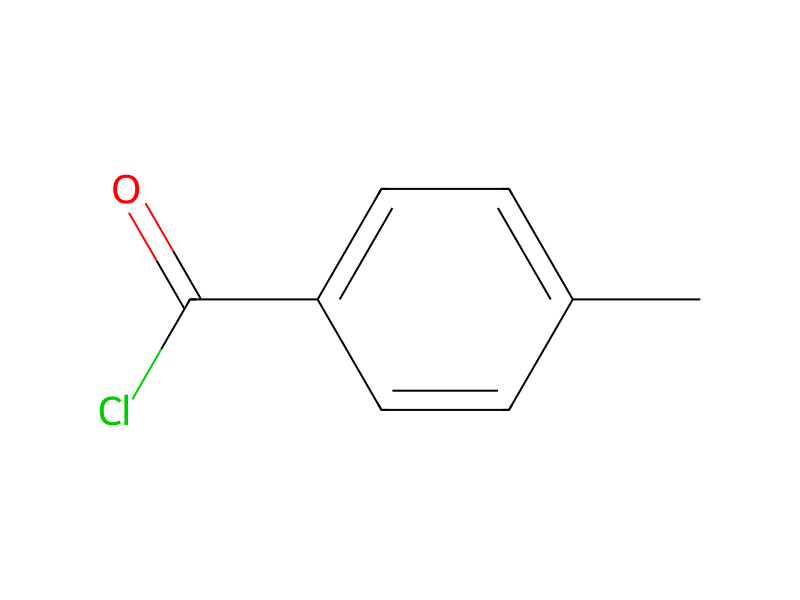
[CH2:1]([C:5]1([C:11]([O:13][CH2:14][CH3:15])=[O:12])[CH2:9][CH2:8][CH2:7][CH:6]1[OH:10])[CH2:2][CH2:3][CH3:4].N1C=CC=CC=1.[CH3:22][C:23]1[CH:31]=[CH:30][C:26]([C:27](Cl)=[O:28])=[CH:25][CH:24]=1>C(Cl)Cl>[CH2:1]([C:5]1([C:11]([O:13][CH2:14][CH3:15])=[O:12])[CH2:9][CH2:8][CH2:7][CH:6]1[O:10][C:27](=[O:28])[C:26]1[CH:30]=[CH:31][C:23]([CH3:22])=[CH:24][CH:25]=1)[CH2:2][CH2:3][CH3:4]Participants
5
Reactant 3


Product 1

Reagents, catalysts & solvents 1

Procedure
6.42 grams of ethyl 1-n-butyl-2-hydroxy-cyclopentane carboxylate obtained in Example 16 were diluted with 60 ml of methylene chloride. At room temperature and with magnetic stirring, 3.66 ml of pyridine was slowly added, then 6.12 ml of 4-methyl-benzoyl chloride was dropwise added. Then the procedure as described in Example 23 was followed, to give 11.77 g of brown liquid. MS: m/e 332(M+′), 287(M+—OCH2CH3), 213(M+—CH3C6H4CO), 197(M+—CH3C6H4CO2), 119 (base), 91.
Sources & evidence
- ORD record
- ord-37a7da5258c44d7e831b9df1bdef1232
- Source dataset
- uspto-grants-2008_06
- Patent number
- US07388103B2
Reaction notes
Loading…