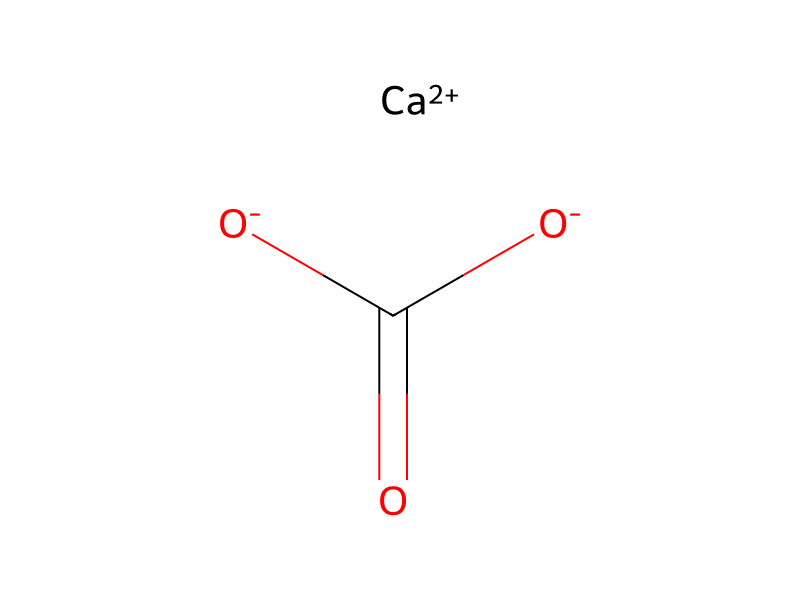
Calcium Carbonate → HCID 86602379, compound
Reaction equation

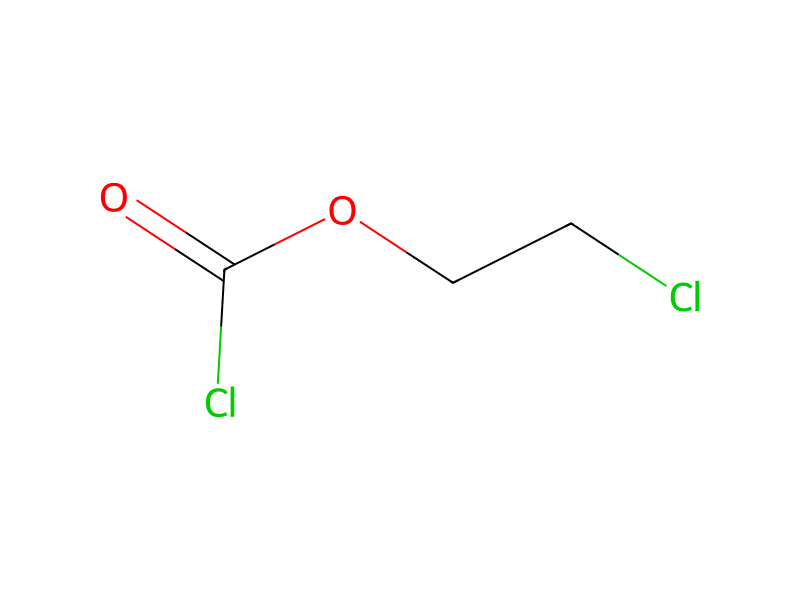
[ClH:1].Cl.[NH2:3][C:4]1[CH:9]=[C:8]([NH2:10])[CH:7]=[C:6]([CH3:11])[C:5]=1[O:12][CH3:13].[C:14](=[O:17])([O-:16])[O-].[Ca+2].Cl[C:20]([O:22][CH2:23][CH2:24][Cl:25])=[O:21].O1[CH2:31][CH2:30]OCC1>>[CH3:13][O:12][C:5]1[C:6]([CH3:11])=[CH:7][C:8]([NH:10][C:14](=[O:17])[O:16][CH2:30][CH2:31][Cl:1])=[CH:9][C:4]=1[NH:3][C:20](=[O:21])[O:22][CH2:23][CH2:24][Cl:25]Participants
5



Conditions
- Temperature
- 90 °C
Procedure
56 g of 2,4-diamino-6-methylanisole dihydrochloride and 134 g of calcium carbonate were initially introduced into 1 l of dioxane and heated to 90° C. Within 15 min, 80 g of 2-chloroethyl chloroformate were added and the mixture was stirred for a further 4 h at this temperature. Subsequently, the mixture was left to cool, and the mineral salts were filtered off. The filtrate was poured onto iced water, and the mixture was extracted several times with ethyl acetate. The combined ethyl acetate phases were then evaporated to dryness on a Rotavapor, giving pale brown crystals.
Workup
- waitSubsequently, the mixture was left
- temperatureto cool
- filtrationthe mineral salts were filtered off
- additionThe filtrate was poured onto iced water
- extractionthe mixture was extracted several times with ethyl acetate
- customThe combined ethyl acetate phases were then evaporated to dryness on a Rotavapor
- customgiving pale brown crystals
Sources & evidence
- ORD record
- ord-1218509bf7364d2ebeac4cecb4929ad8
- Source dataset
- uspto-grants-2007_05
- Patent number
- US07211119B2
Reaction notes
Loading…