Acetyl chloride → HCID 69250328, compound
Reaction equation

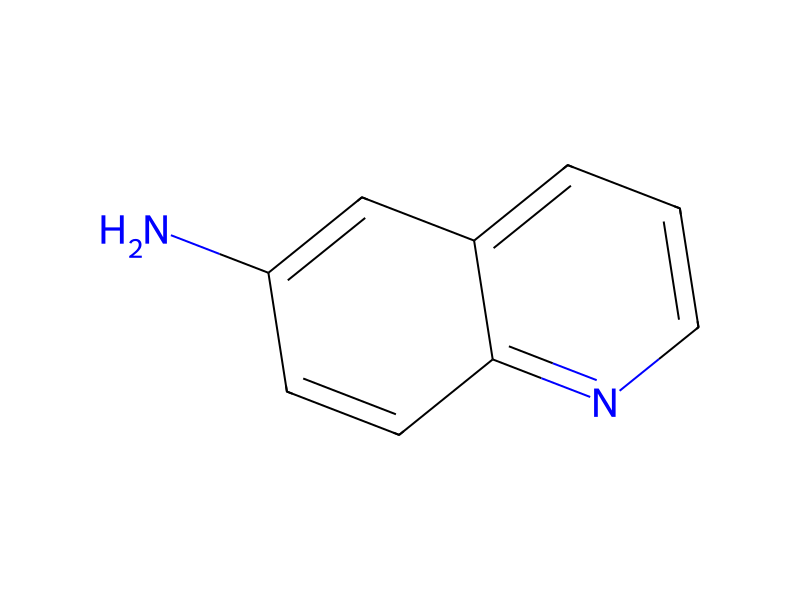
C(O[C:6]([N:8]1[CH2:15][C:14](=[CH2:16])[CH2:13][C@H:9]1[C:10]([OH:12])=O)=[O:7])(C)(C)C.[C:17](Cl)(=O)C.[N:21]1[C:30]2[C:25](=[CH:26][C:27]([NH2:31])=[CH:28][CH:29]=2)[CH:24]=[CH:23][CH:22]=1>>[C:6]([N:8]1[CH2:15][C:14](=[CH2:16])[CH2:13][C@H:9]1[C:10]([NH:31][C:27]1[CH:26]=[C:25]2[C:30](=[CH:29][CH:28]=1)[N:21]=[CH:22][CH:23]=[CH:24]2)=[O:12])(=[O:7])[CH3:17]Participants
4



Procedure
Following the general method as outlined in Example 22, starting from 1-(tert-butoxycarbonyl)-4-methyleneproline, acetyl chloride, and 6-quinolinamine the title compound was obtained in 87% purity by LC/MS. MS(ESI+): m/z=296.0.
Sources & evidence
- ORD record
- ord-5381c6c46a384196ad336be032b0a25d
- Source dataset
- uspto-grants-2007_05
- Patent number
- US07211601B2
Reaction notes
Loading…